Blast Radius:

Tabletop Card Game

Case Study

10-15 minute read

Overview

Blast Radius is a strategy-focused card game built around a simple but powerful idea: even when chaos disrupts your plan, you should always have a move. What started as a game design course assignment evolved into a fully funded Kickstarter product, going through seven iterations, 30 playtesters, and one failed campaign before finding its footing. This case study covers the full arc of that process, from handwritten notecards to a shipped product backed by 153 people.

Role: End-to-end Product Owner (Solo)

Scope: 0 → 1 Product · Solo · Shipped

Opportunity: Create a portable, fast-paced card game that still supported meaningful strategy.

Impact: Validated demand with a 390%-funded Kickstarter campaign and successful multi-national fulfillment.

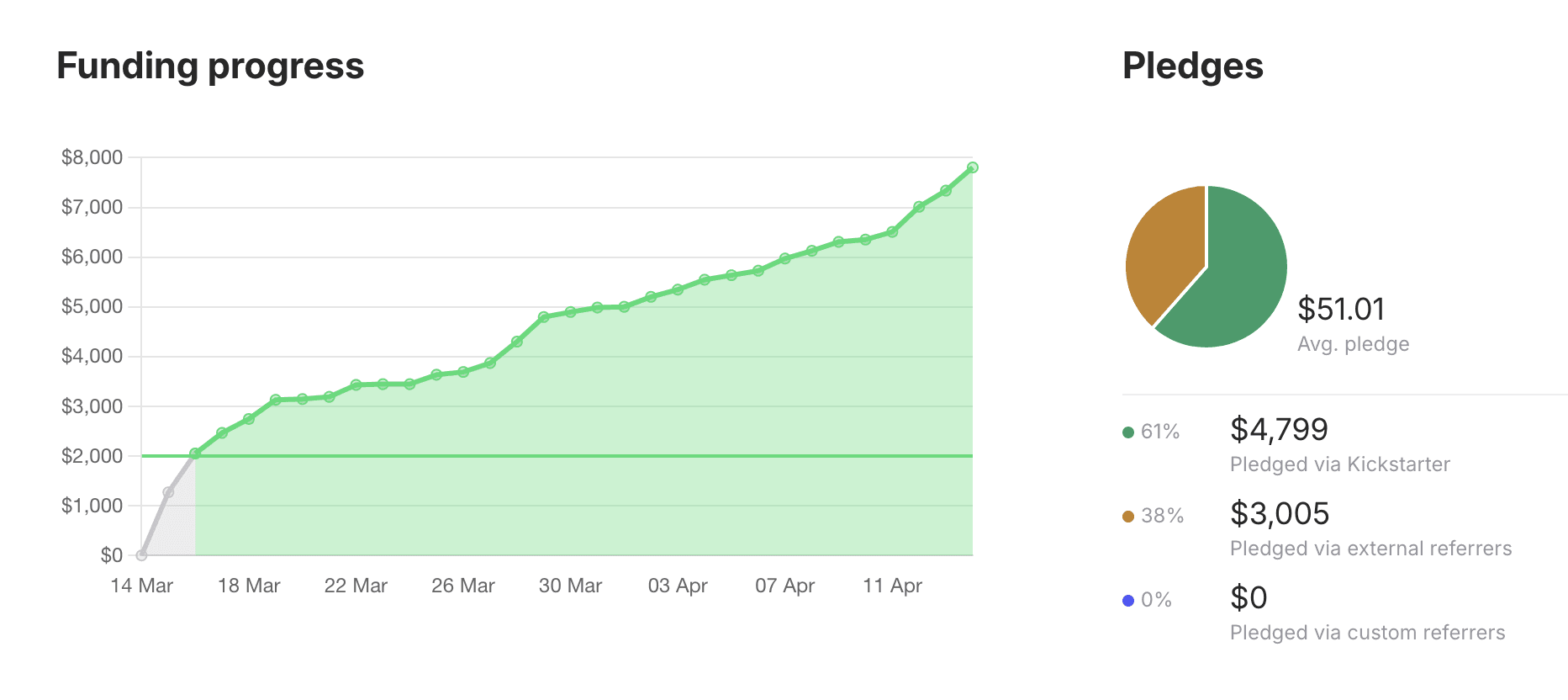
Backers

153

Funding Goal

$2,000

Funding Total

$7,804

Early Concept & Rules Prototyping

Blast Radius started as a final project for my first of two game design courses in undergrad. The assignment was simple: build any game and have it presentable by end of semester. The inspiration came from frustration with FLUX, a card game where objectives shift constantly, leaving players feeling like their agency was being stripped away. The goal from day one was the opposite: even when RNG disrupts your plan, you should always have a move.


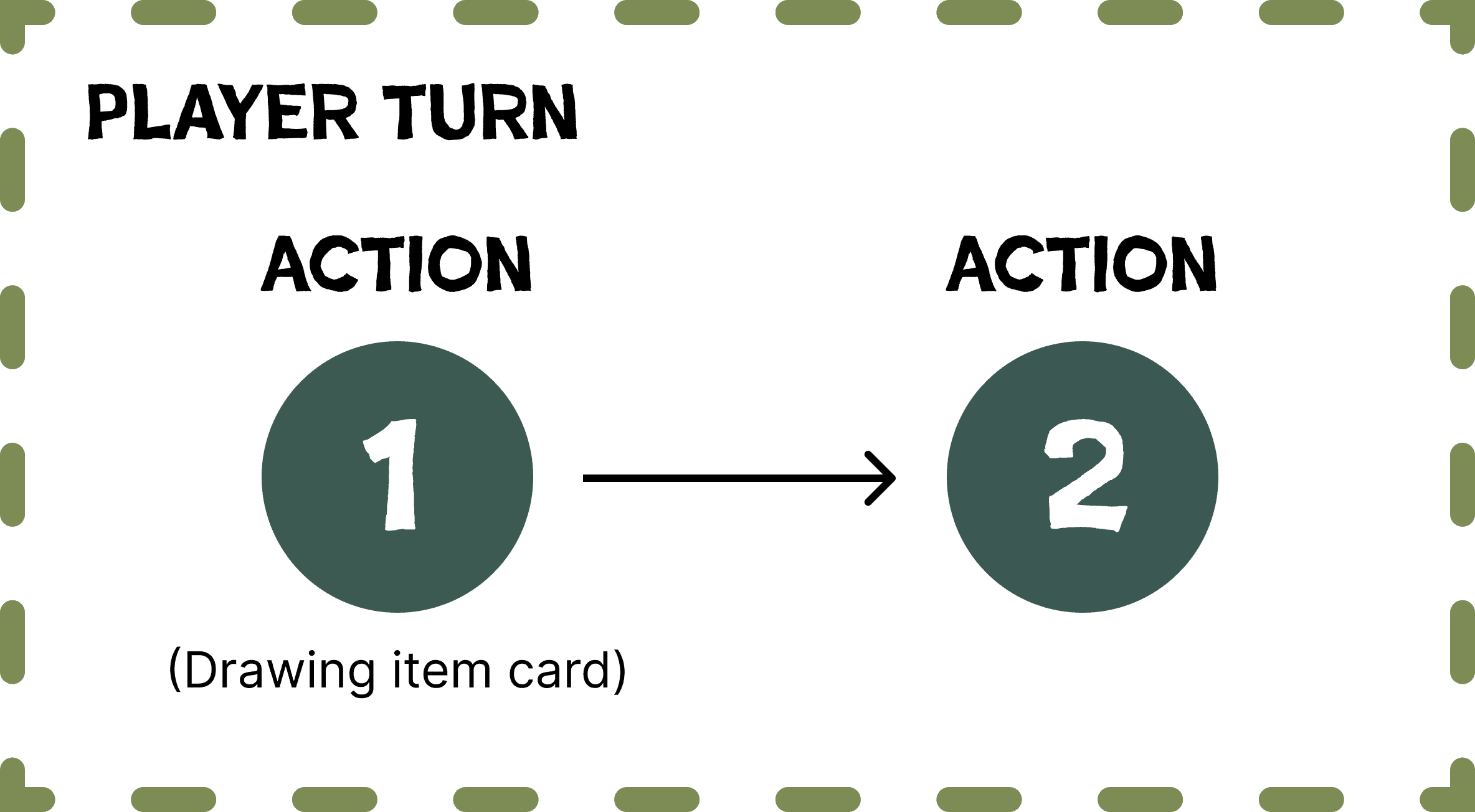
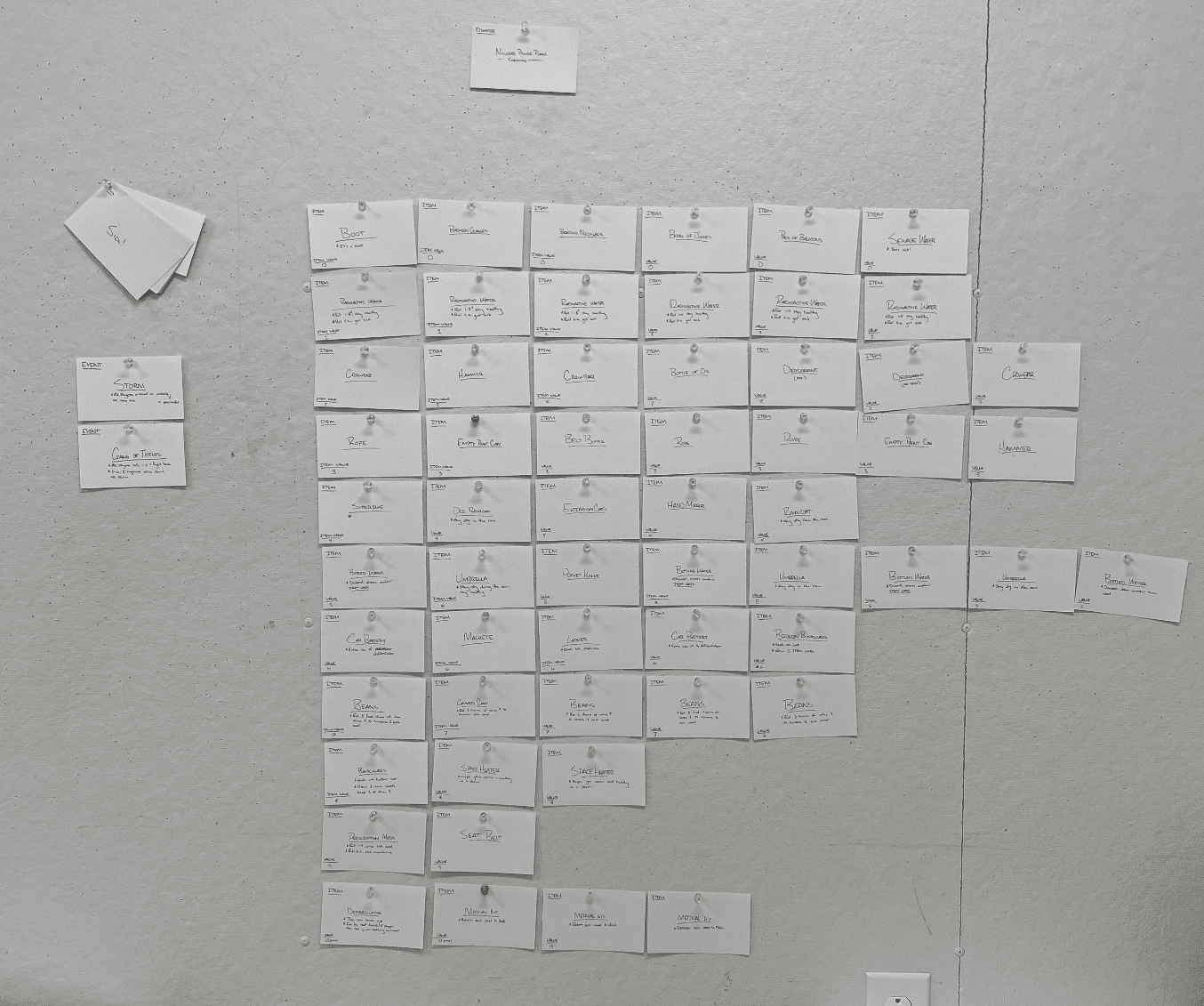
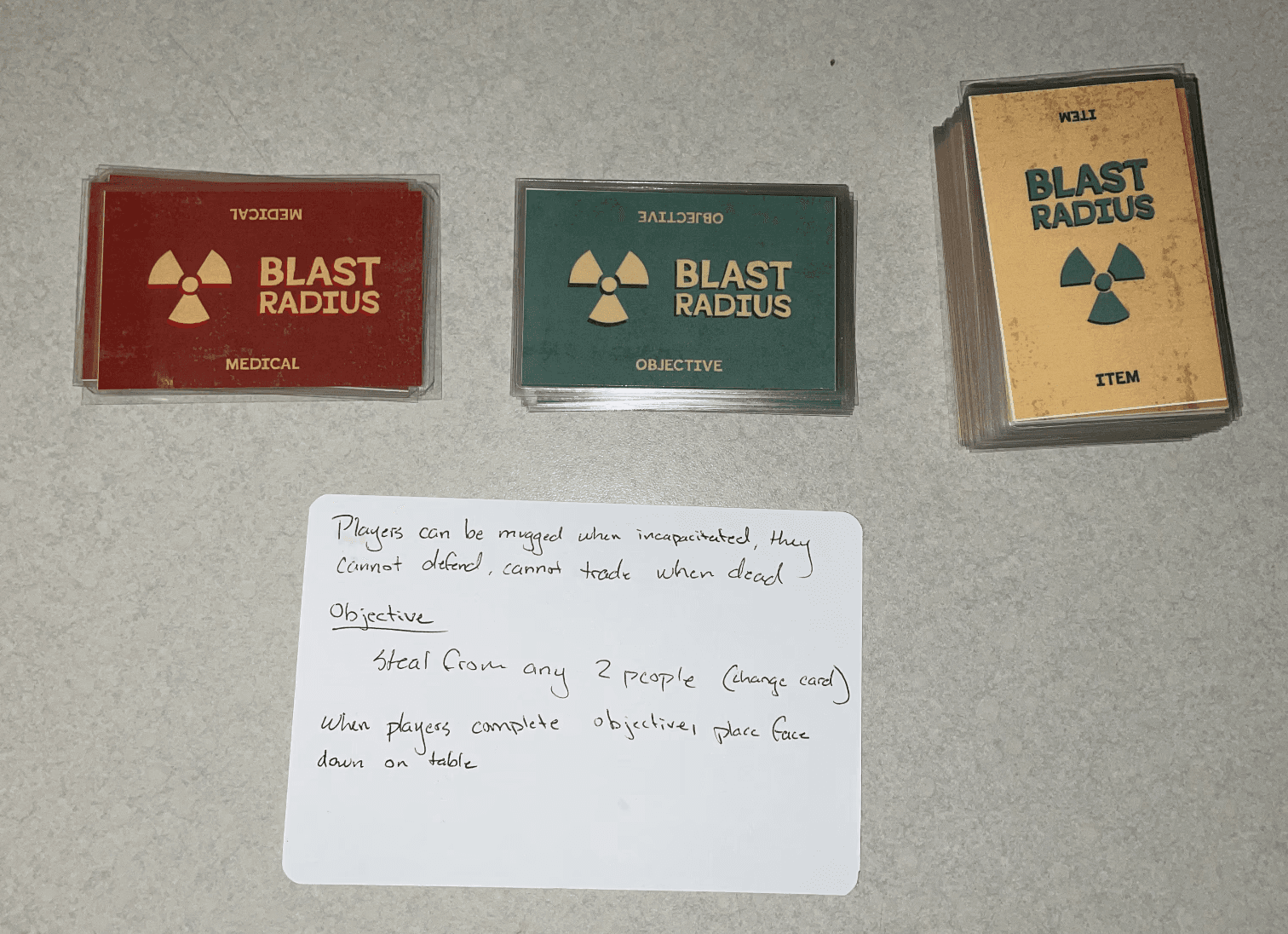
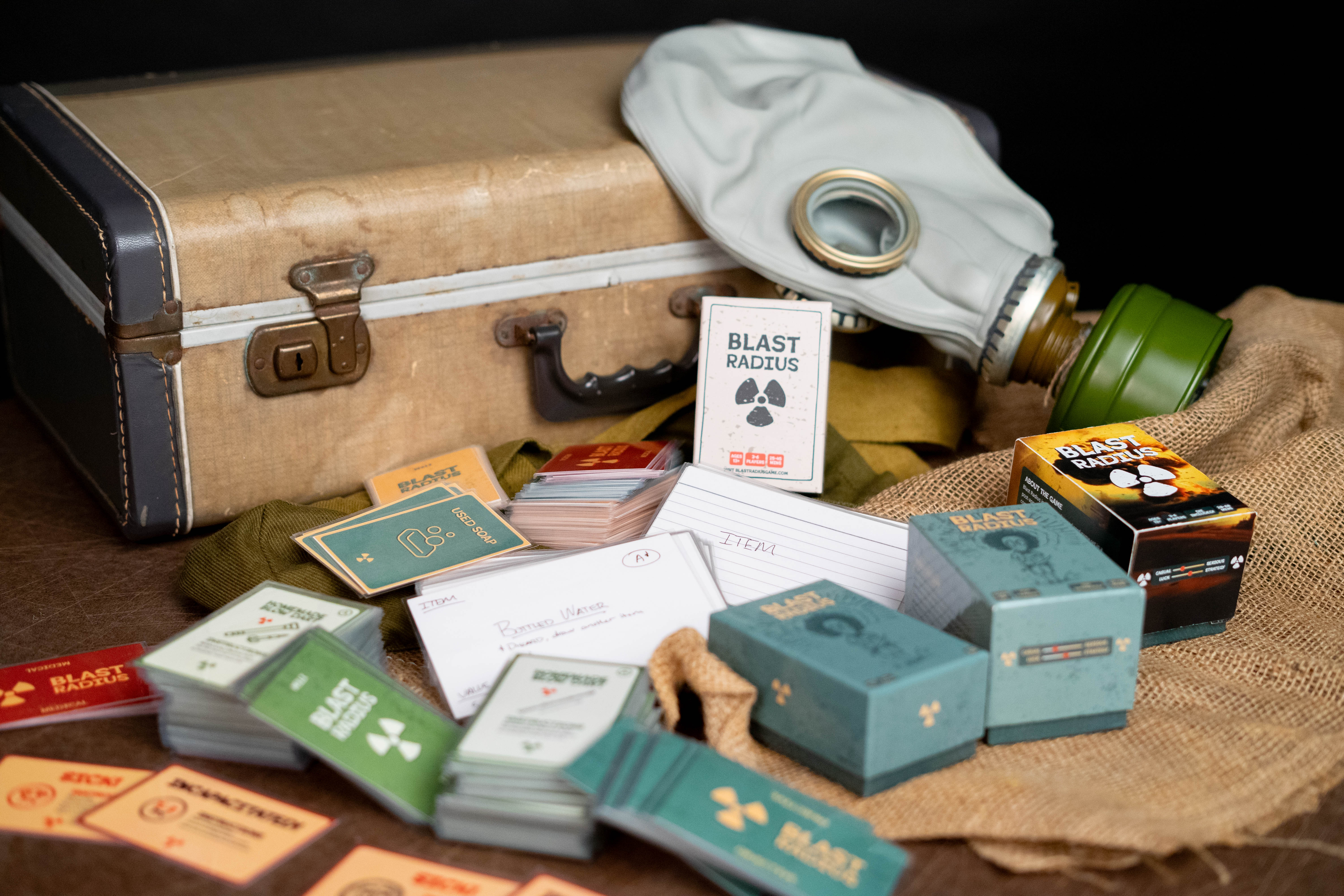
The first version was handwritten notecards. Rough, barely playable, but enough to test the core loop. That loop has stayed largely intact ever since: draw an item card, then choose your action. Use an item, complete an objective, or trade with another player. Four hand-cut, laminated prototype iterations later, the game had found its initial shape — the first of what would eventually become seven total prototypes before launch.


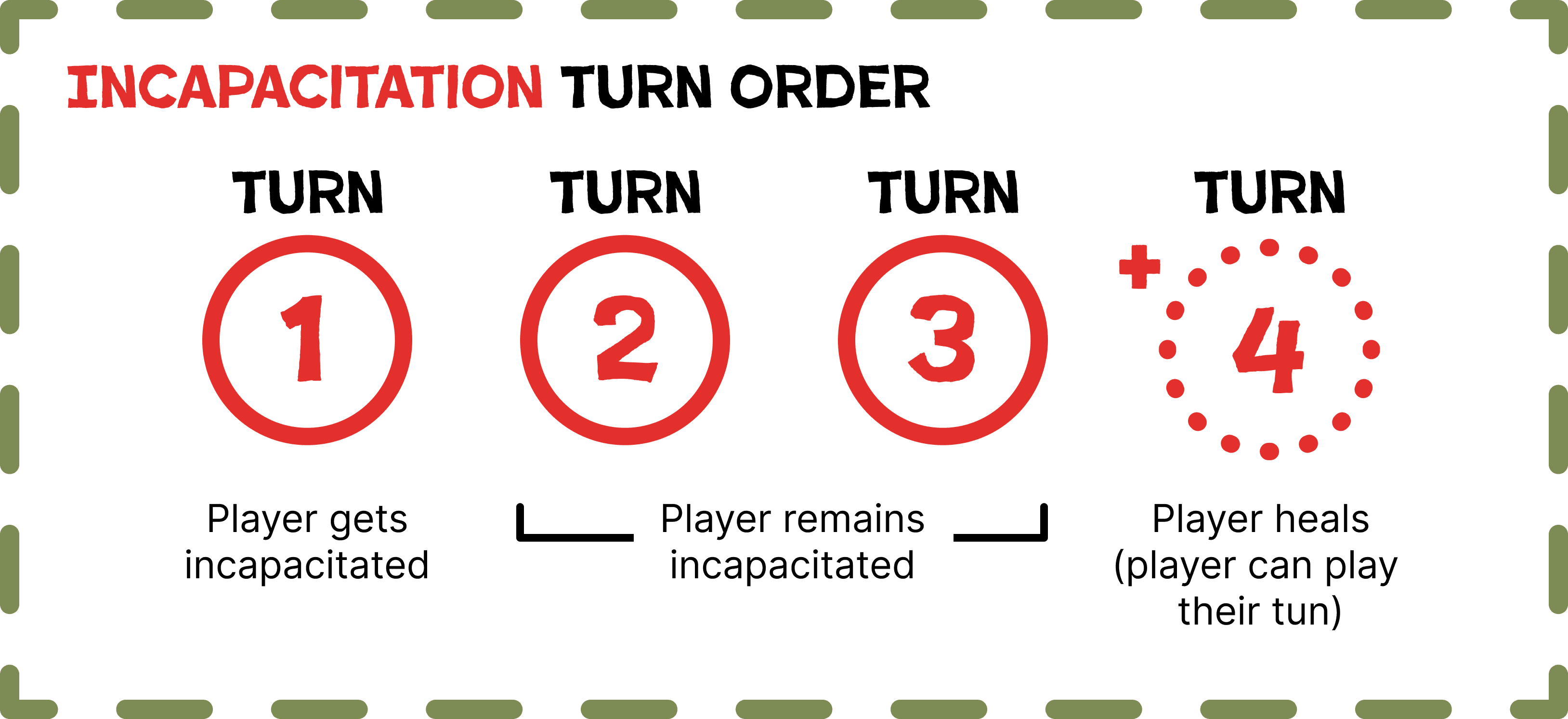
An early concept called "Disasters" introduced gameplay-changing event cards tied to different catastrophes, but it was scrapped quickly. It was a product of indecision rather than conviction, and the vision was always quirky, whimsical, and apocalyptic. Once that was clear, the focus sharpened. Key early design decisions like replacing player elimination with temporary incapacitation and allowing objective trading kept agency at the center even when the game threw chaos at you.

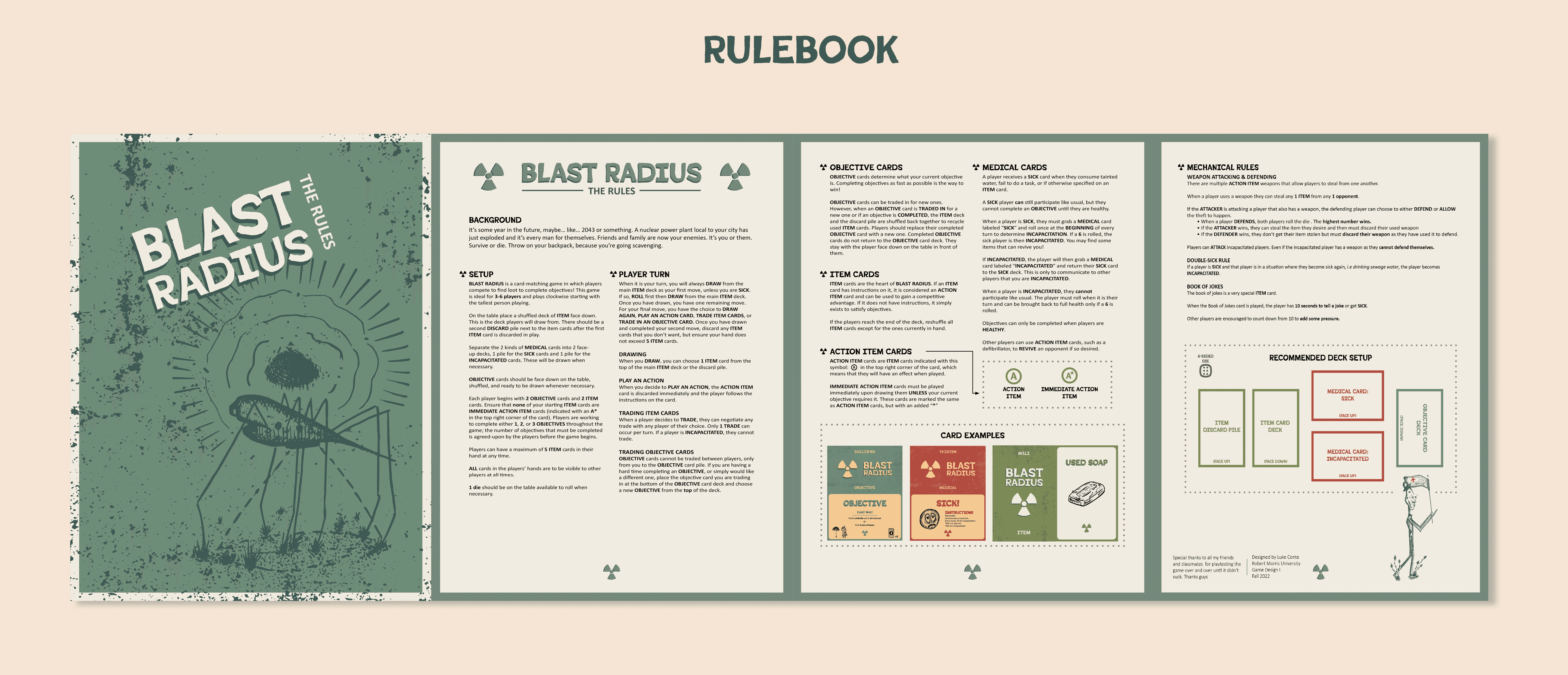
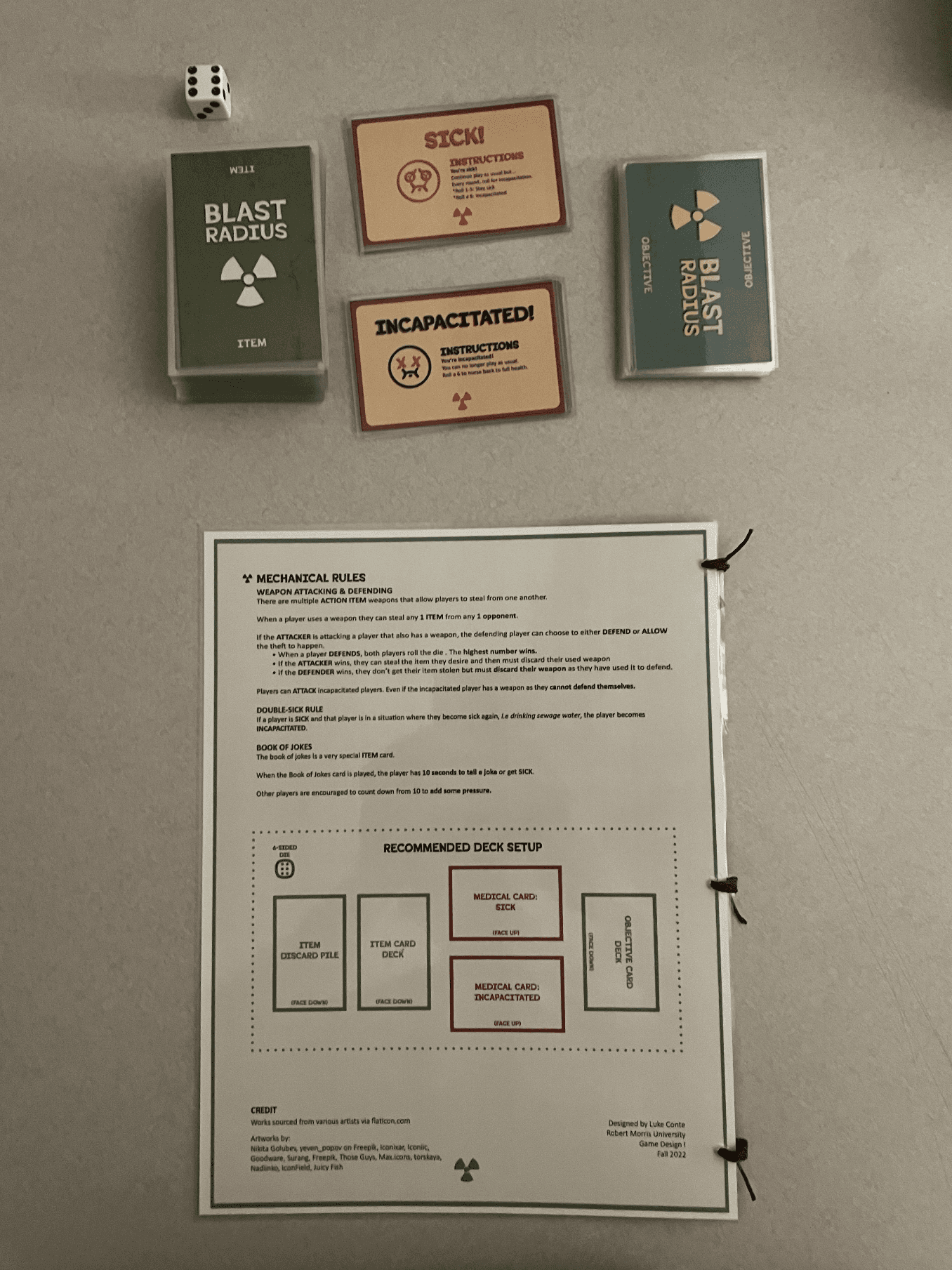
Final version of the rulebook before shifting to digital

Prototypes 1 and 2 - Index cards and hand-cut laminated cards respectively

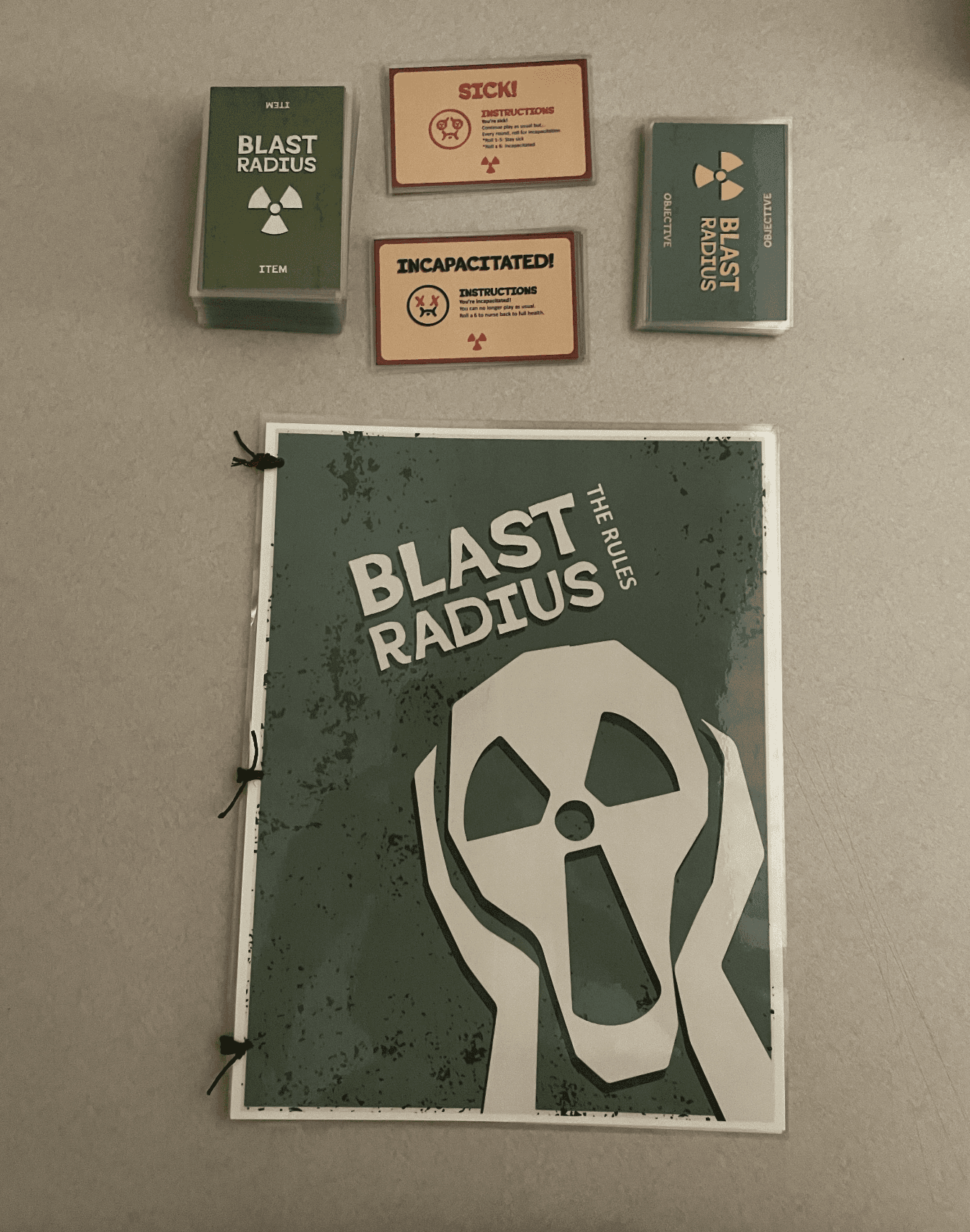
Prototype 3 and Rulebook Prototype 1 - Laminated cards w/ updated design

Game Maker's

Play Test Notes

  1. What questions did your players have?

  1. How quickly did the players learn to play?

  1. What kinds of interactions ocurred?

  1. What confused players?

  1. What made players excited?

  1. What did your players enjoy doing?

  1. Did any aspect of the game frustrate players?

Playtesting & Balance Iteration

Blast Radius evolved through repeated playtesting across development. Rather than guiding players through the experience, I structured sessions to test whether the game could stand on its own; clear, balanced, and engaging without explanation. Players received only the rulebook and prototype, taught themselves how to play, and completed feedback forms while I observed and documented friction points. In structured sessions, I avoided intervening so confusion could surface naturally.


Three consistent lessons emerged from testing. Rule ambiguity killed momentum, as even brief pauses disrupted tension. Chaos had to feel earned, with randomness supporting the theme rather than undermining strategy. And balance drove confidence, with players engaging more deeply when outcomes felt intentional rather than arbitrary.


Each round of testing strengthened the system. The goal was never to remove chaos. It was to make it readable. The rulebook was simplified and its language tightened. Card wording was clarified and edge cases reduced. Mechanics were tuned to preserve unpredictability without sacrificing the player agency that was central to the game from the start.

Designing Clarity

in High-Chaos Systems

Blast Radius is intentionally chaotic. Cards trigger reactions, objectives shift, and players' plans can collapse in a single turn. The unpredictability was core to the experience, but early playtests revealed a critical tension: when players forgot phases or hesitated during turns, the chaos stopped feeling exciting and started feeling confusing.


The biggest friction points were players forgetting the phases within a turn, slow decision-making caused by re-reading options, and momentum dropping when structure wasn't clear. The design challenge wasn't reducing complexity — it was making the complexity navigable.


That led to a guiding principle: Visible Structure, Invisible Effort. Turn flow was clarified and simplified so players could internalize the rhythm quickly, prioritizing intuitive sequencing over memorization. Card wording and layout were tightened so outcomes were readable at a glance, reducing edge cases and the pauses that came with them. Every structural change was evaluated against one question: does this keep the round moving?

Playtesting & Balance Iteration

With roughly 30 people playtesting before launch across a mix of peers and friends, playtesting was less a formal process and more a constant feedback loop. At peak, the game was getting played two to three times a week, with each session surfacing new friction points to address.


The most consistent issue was action confusion. Players would forget what options were available to them mid-turn, slowing the game down and breaking momentum. In the physical game this was addressed through clearer rule wording, with a per-player info card planned for the final version. In the digital companion app, this problem largely solves itself.


Balance issues were addressed through straightforward iteration: adjust, play, adjust again. Two changes had the biggest impact. The hand limit was reduced from six cards to five, which prevented players from hoarding cards and inadvertently blocking others from completing objectives. Incapacitation recovery was also made easier, keeping sidelined players engaged rather than waiting out long stretches with nothing to do.


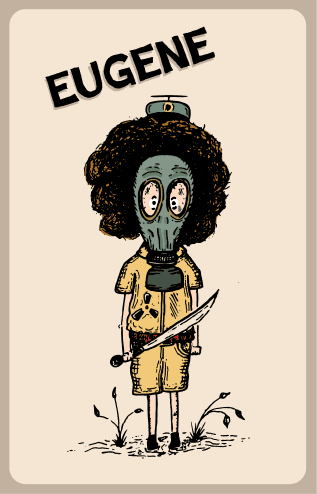
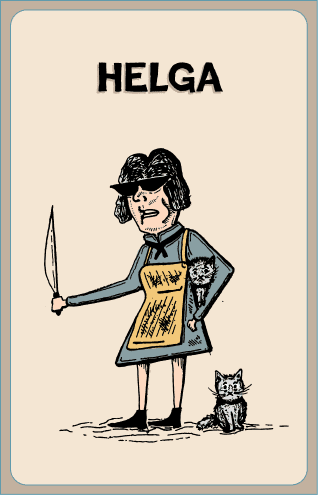
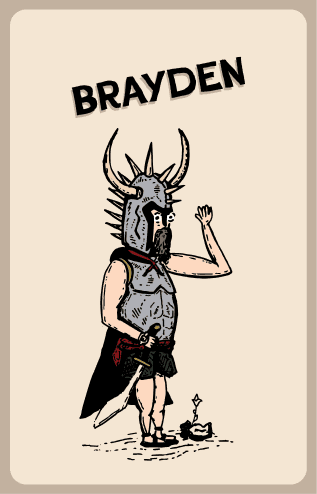
One of the more unexpected outcomes of playtesting was the addition of character cards. They weren't part of the original design — a playtester suggested them, along with the idea that each character should have unique abilities. The cards exist in the current version but don't yet have distinct abilities, something planned for the next iteration.

Launch Validation

& Post-Launch Insights

The journey from vague idea to shipped product was not a straight line. An earlier Kickstarter campaign in the summer of 2023 fell short of its $4,500 funding goal by nearly half, making it clear the product needed more work before it was ready to launch.


Three things needed to change. The messaging lacked confidence, failing to clearly communicate what made Blast Radius worth backing. The pledge tiers were structured in a way that disincentivized higher contributions, bundling core rewards with extra merch like posters, t-shirts, and stickers rather than isolating them. And the branding wasn't developed enough to make a strong first impression.


Each of those problems was addressed directly before the second campaign. Messaging was rebuilt around a bold, confident, and casually humorous identity that reflected the game's personality. Pledge tiers were restructured to separate the core product from extras, with rewards like a signed deck, name in the rulebook, and name on the box creating genuine incentive to pledge more. The branding was refined into a more stylized, well-rounded identity with a clearer sense of what the game should feel like.


The second campaign told a different story. Blast Radius hit its $2,000 funding goal in 36 hours, closed with 153 backers, and finished at $7,804 — nearly four times the goal.

Translating Gameplay into Physical Components

Designing Blast Radius for physical production meant solving problems that don't exist on a screen. The earliest prototypes were hand-cut to arbitrary sizes, which worked fine for testing but had to be completely redesigned when it came time to standardize for manufacturing. Every card had to be rebuilt from scratch around consistent dimensions.


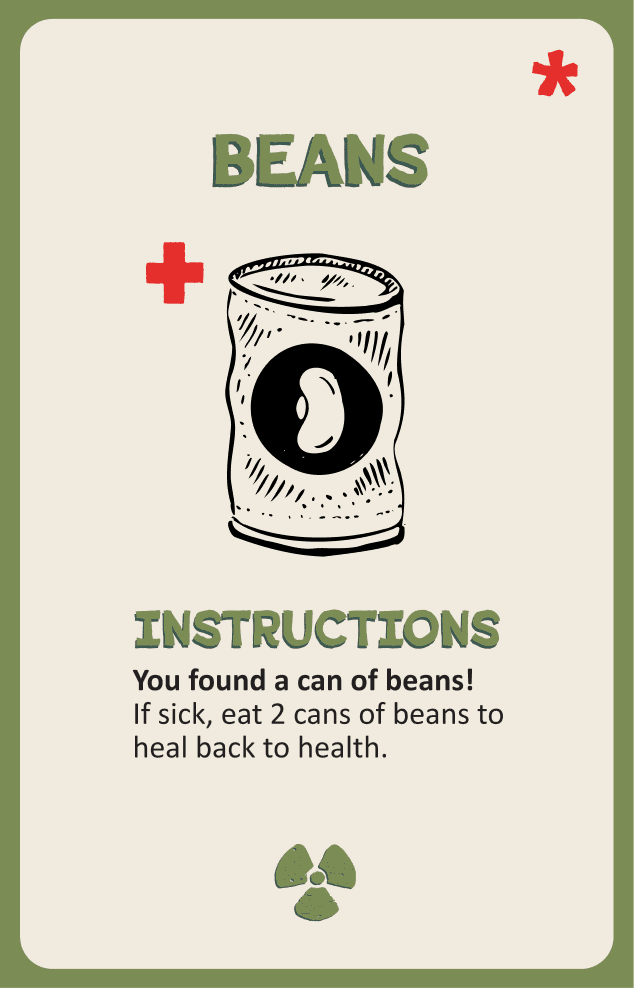
The bigger ongoing challenge was information architecture. Each card needed to carry its own instructions, communicating the rules for that specific item or objective without a player needing to look anything up. The goal was maximum clarity in minimum space, without the layout feeling cluttered. Defining a clear hierarchy between typefaces helped solve this quickly, giving each card a readable structure players could scan at a glance.


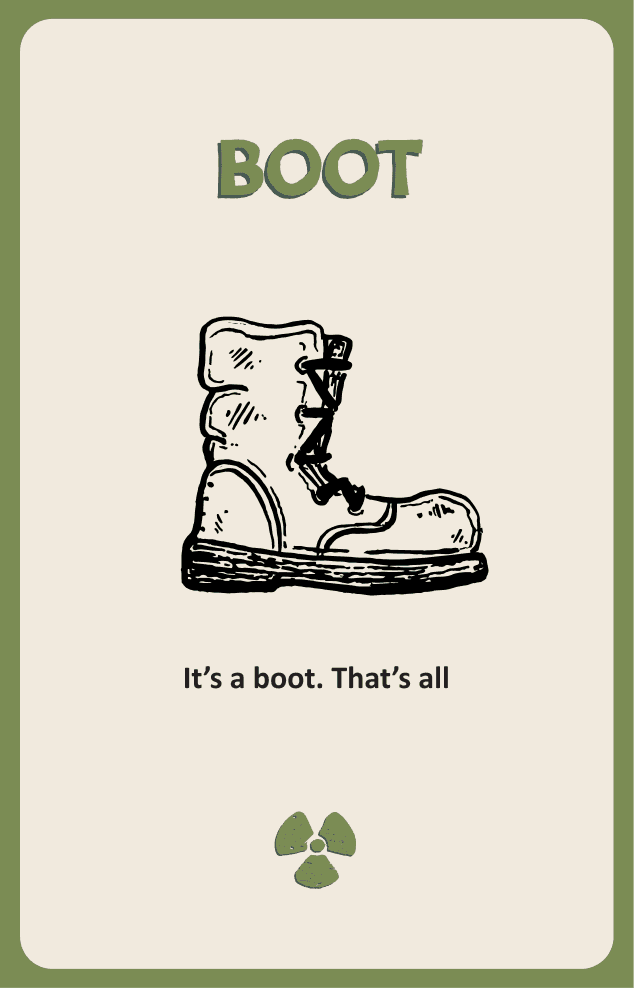
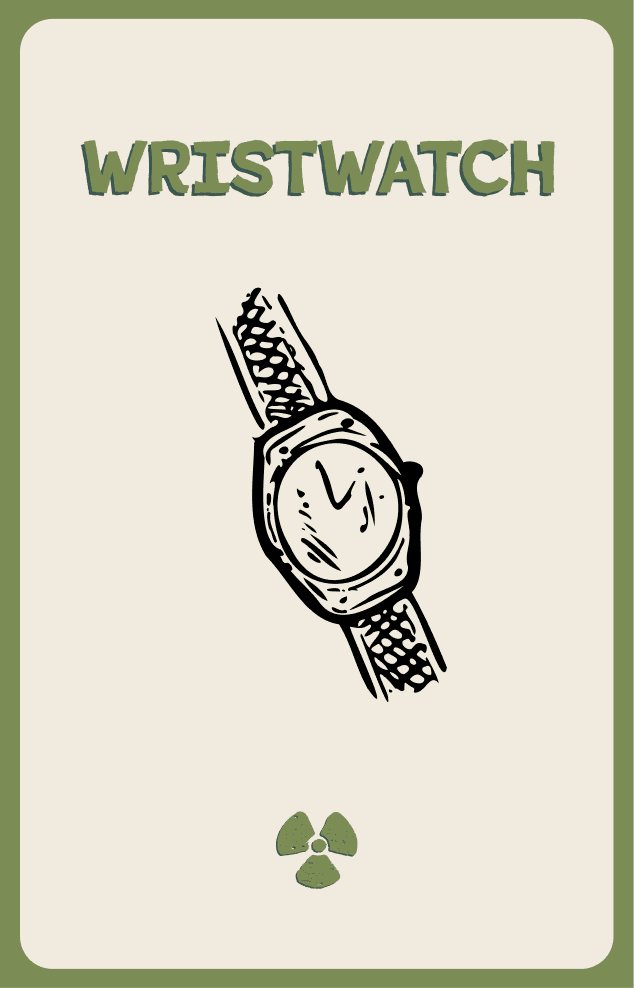
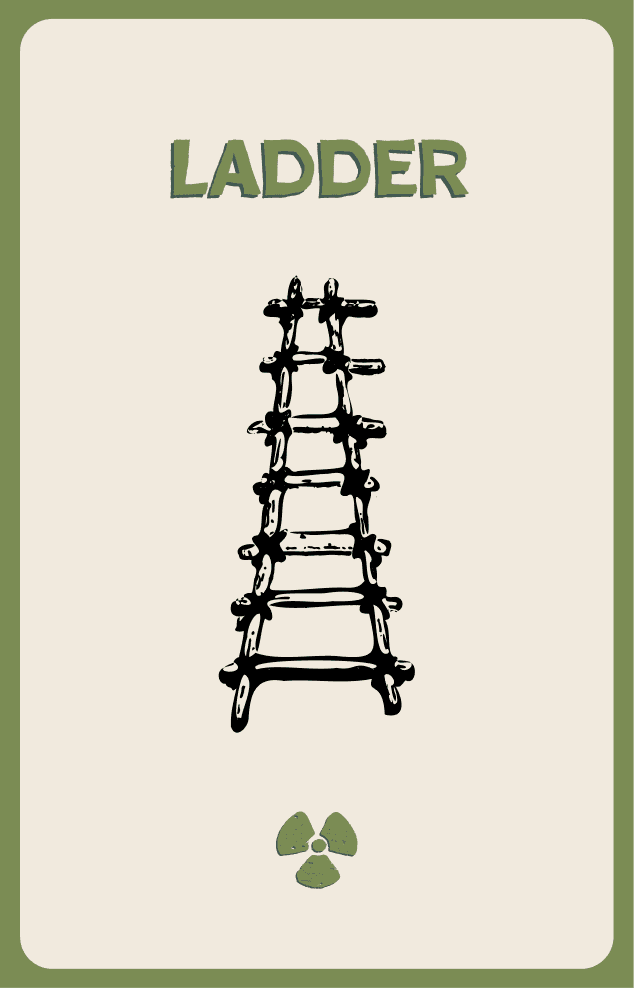
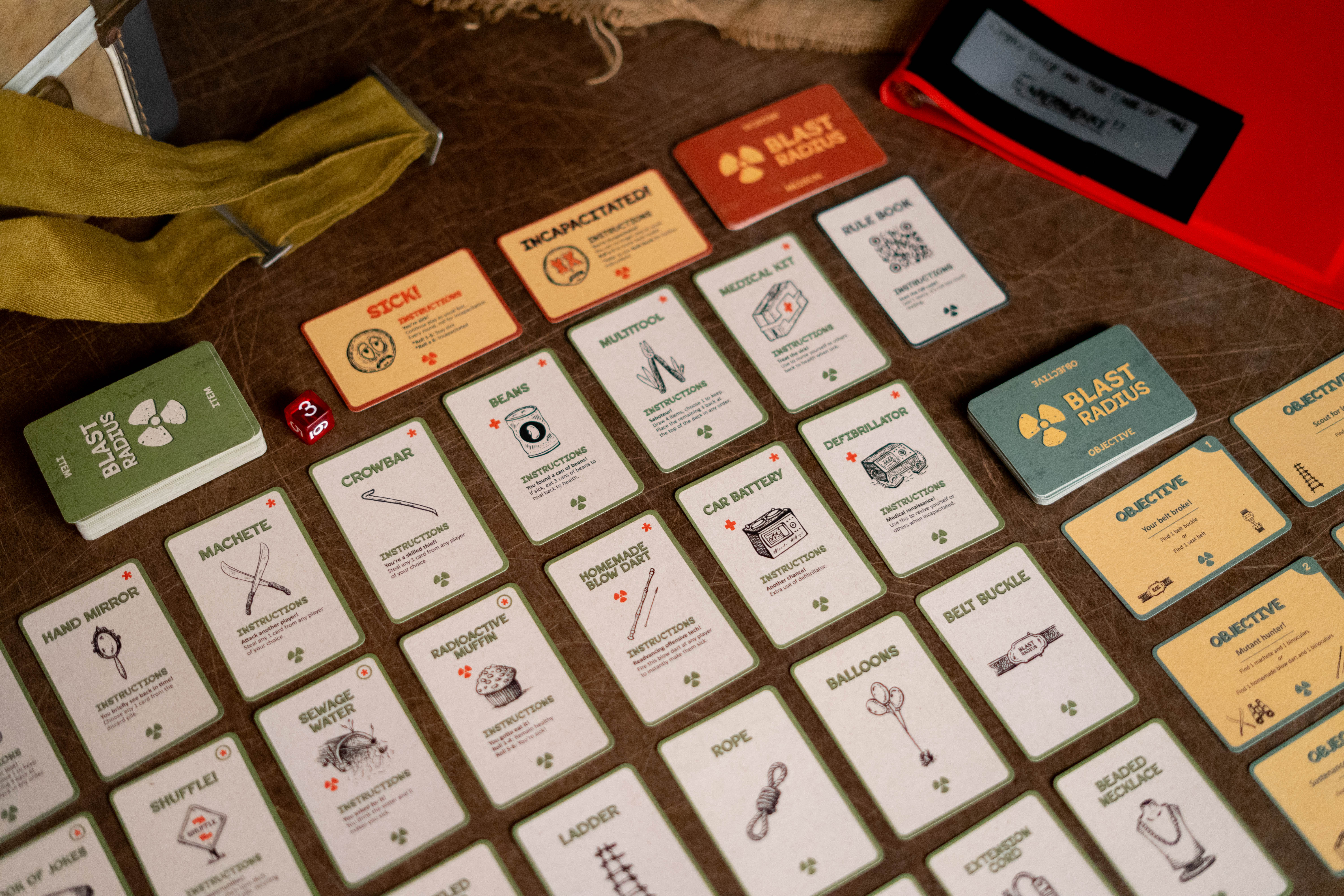
The visual identity developed across the first four prototypes, each one searching for the right direction. It clicked on the fourth iteration, when custom illustrations were introduced. Learning to draw and designing the game happened in parallel, and the illustration style that emerged meshed naturally with the aesthetic the game was always reaching for — quirky, whimsical, and unmistakably apocalyptic. Every card and character was illustrated by hand.


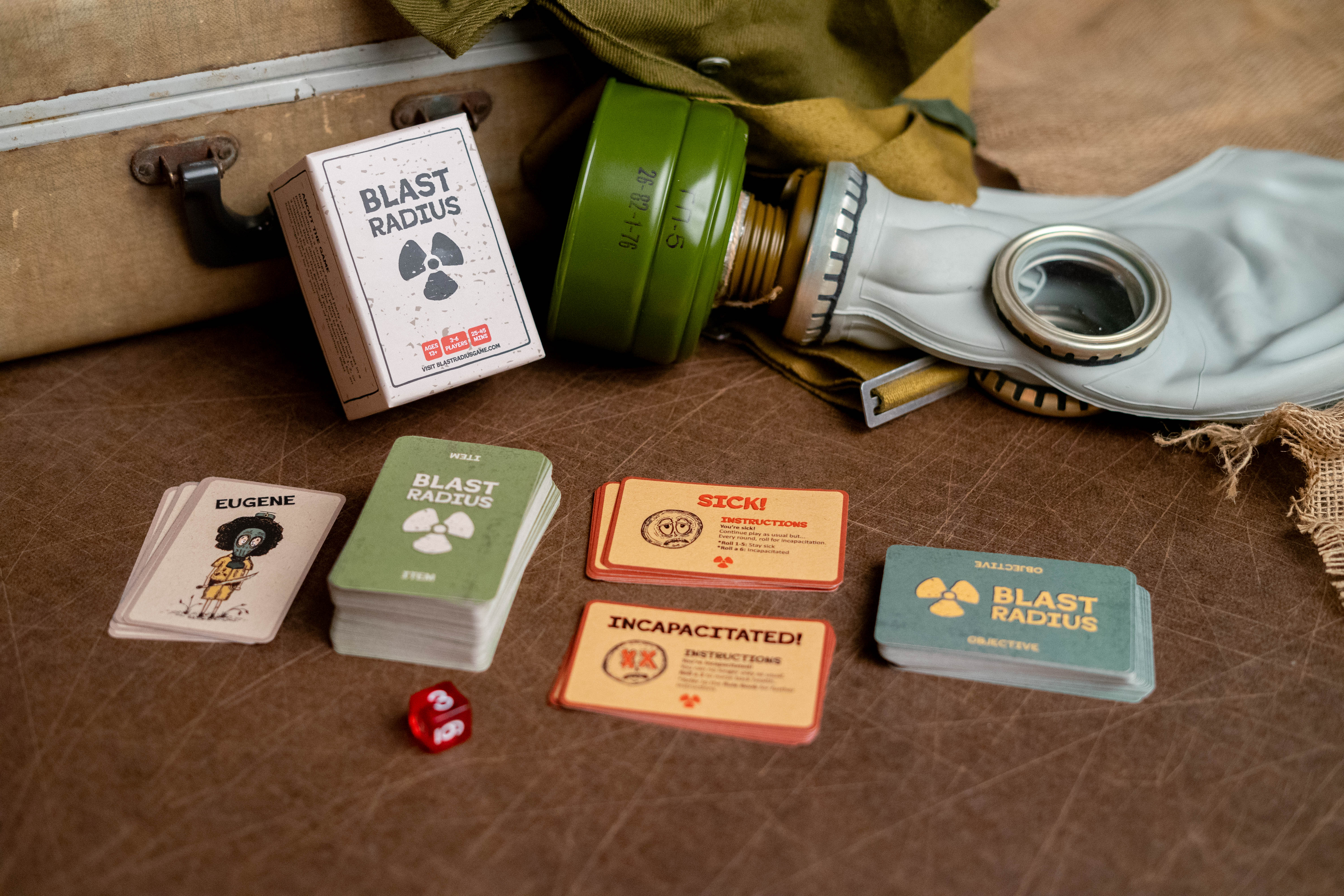
The final three proofs refined the design toward a finished product. The last version was printed on eco-herbage cardstock, sustainably manufactured from waste plant material. The choice was values-driven, but the organic texture of the cards felt right for a game built around a post-apocalyptic world.

Character Cards

Character cards currently server no functional purpose in the gameplay, but there are plans to give them special abilities in the future.

Medical Cards

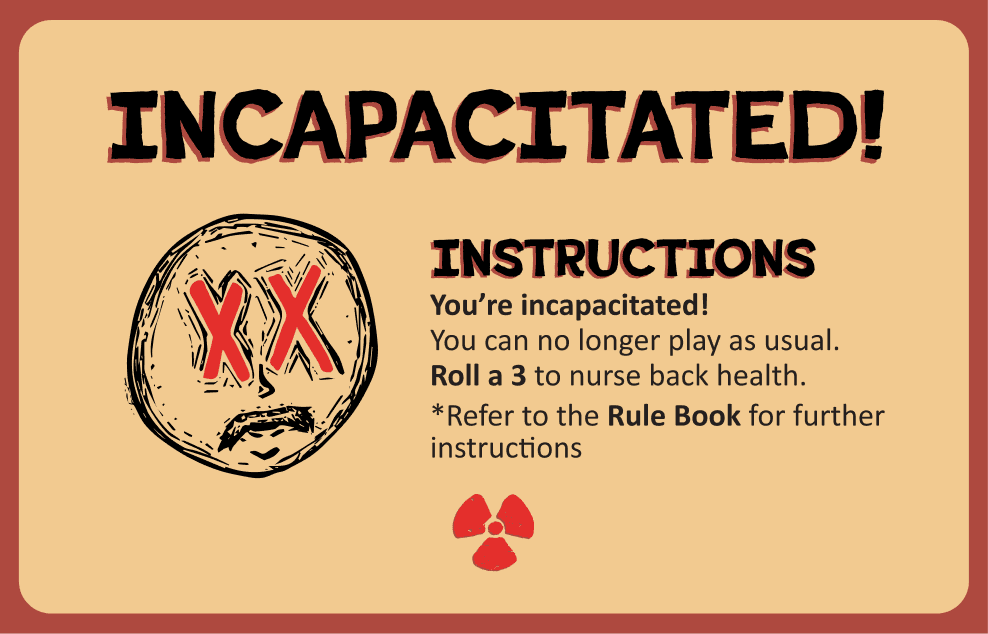
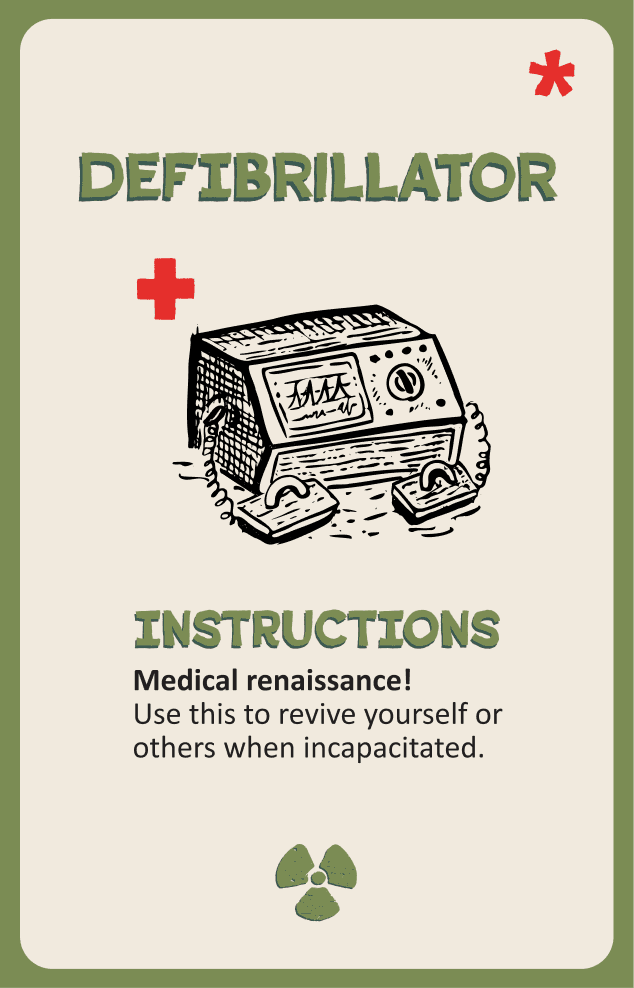
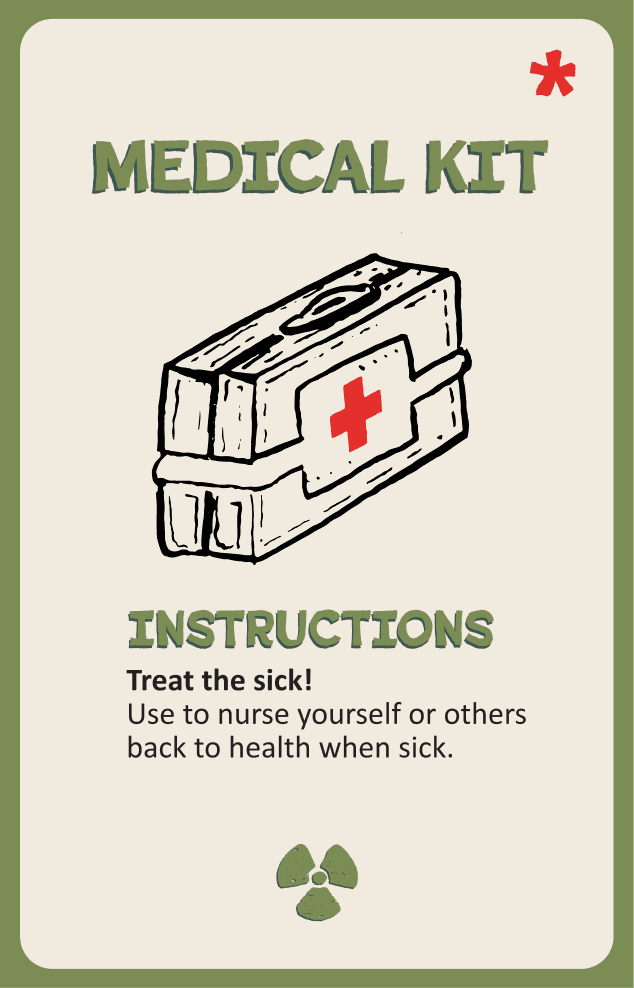
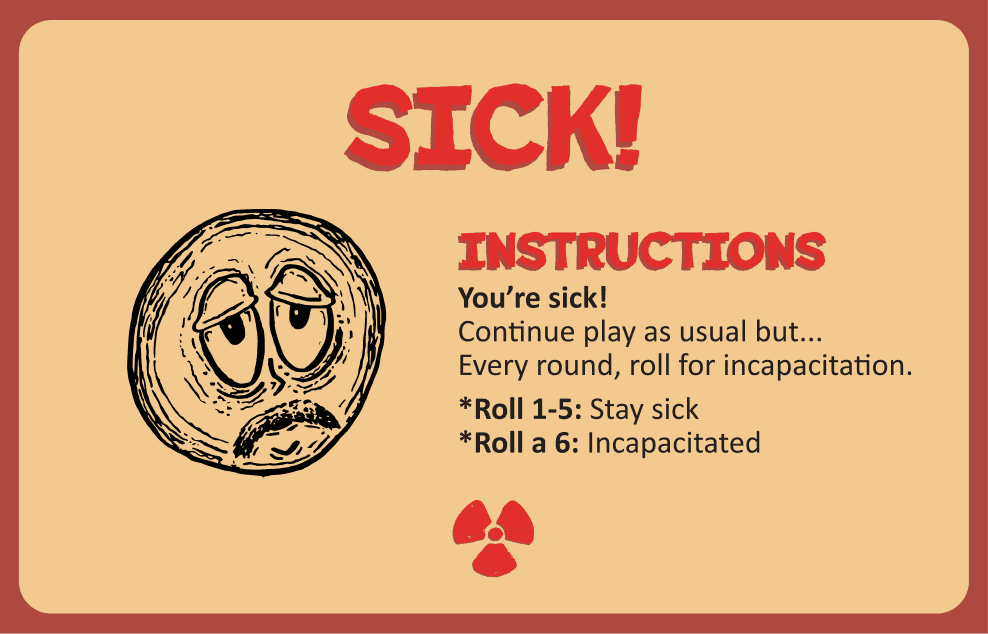
Medical cards describe the player state throughout a game. If the player is sick, they continue playing normally, but can no longer complete any objectives until they heal. If a player is incapacitated, they can no longer participate on their turn until they heal themselves or another player agrees to heal them.

Objective Cards

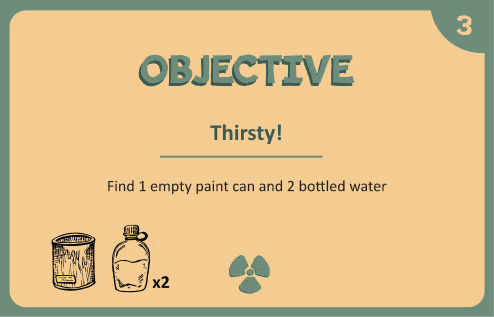
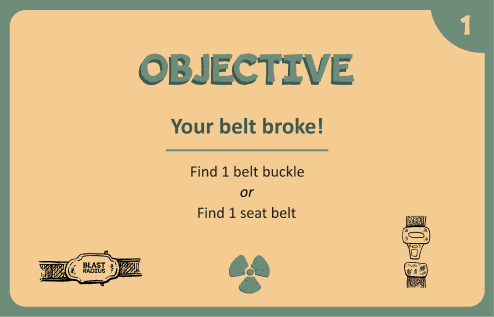
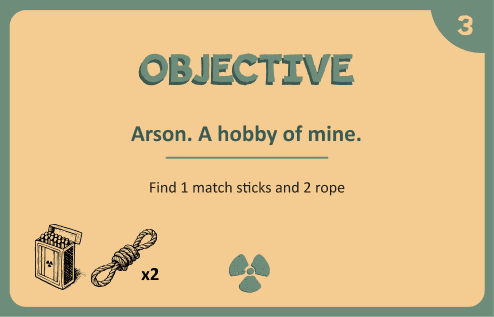
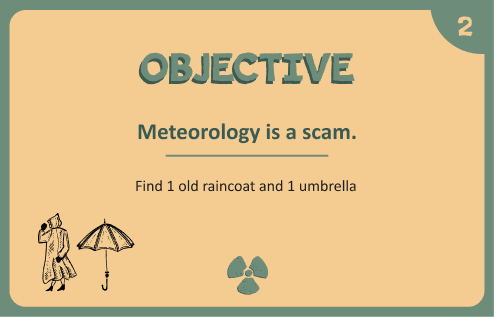
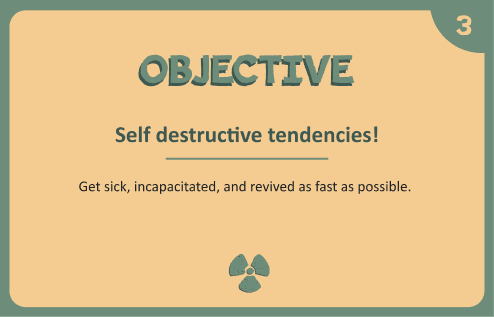
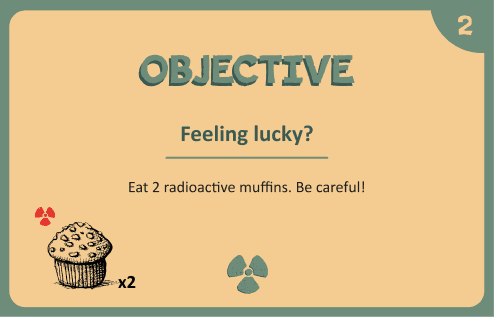
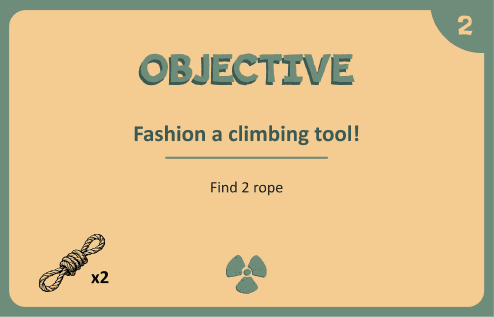
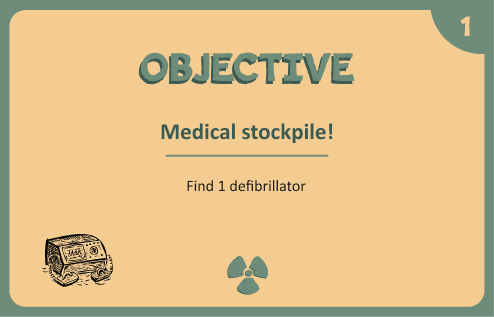
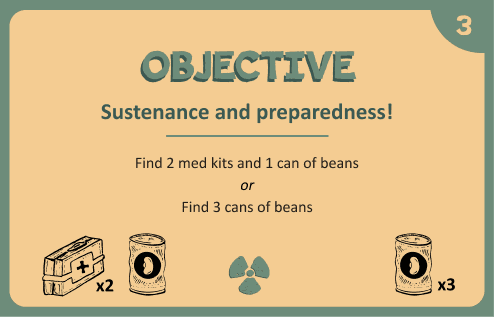
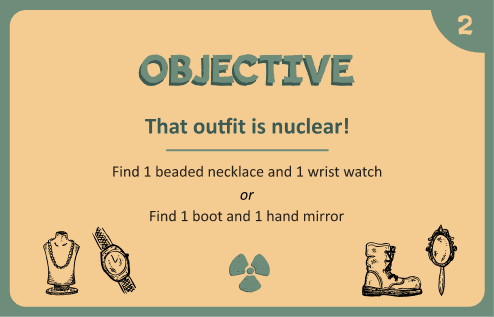
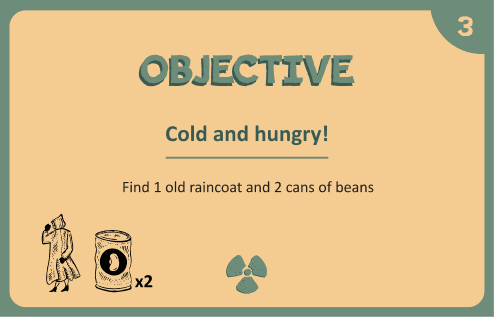
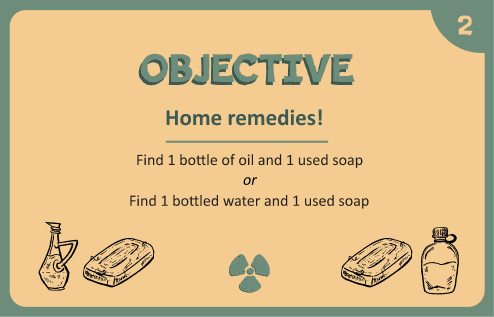
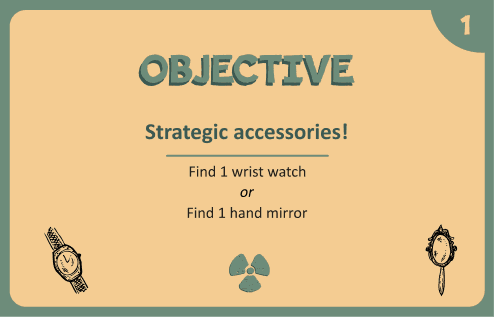
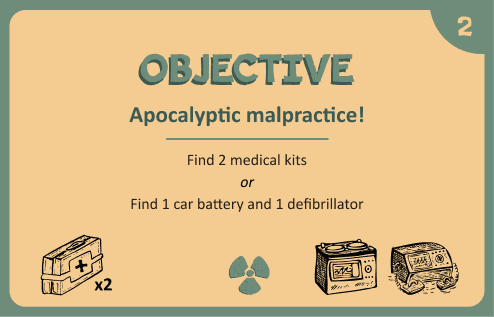
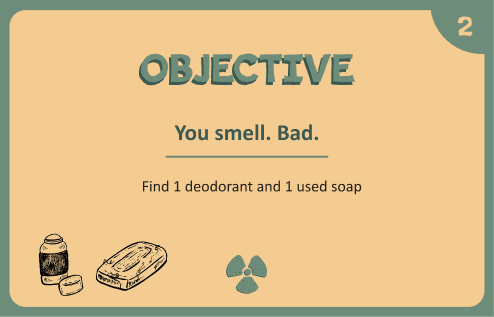
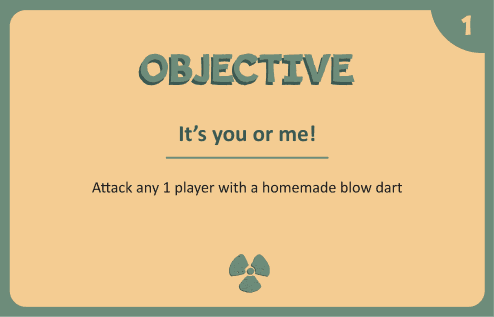
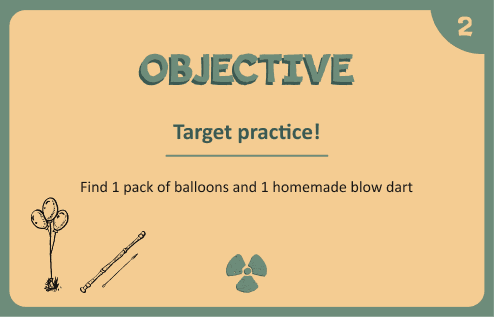
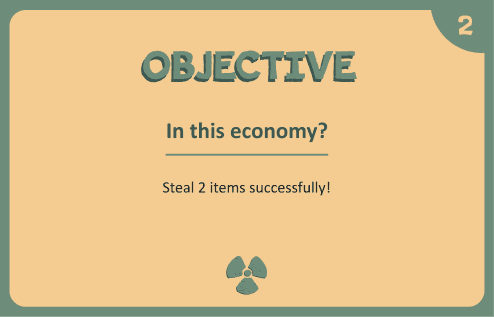
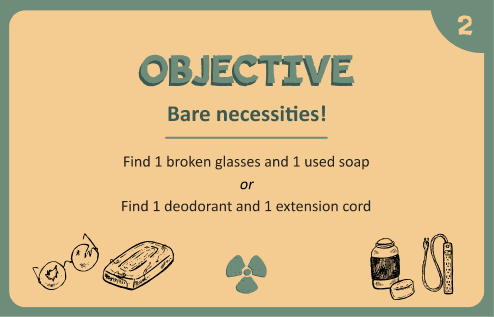
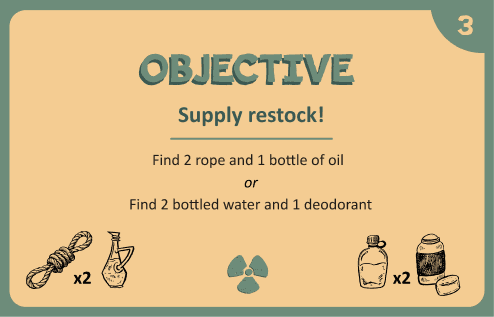
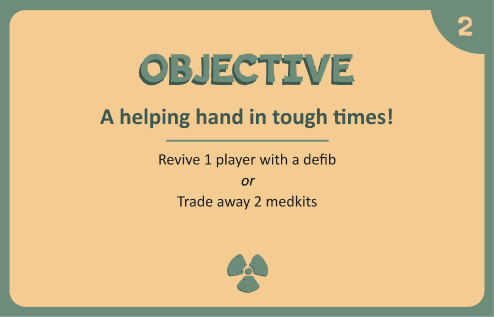
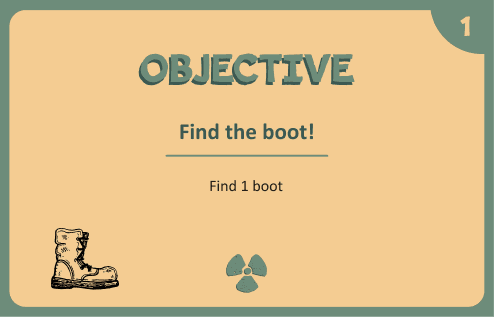
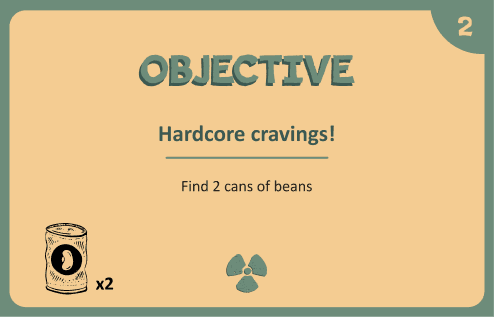
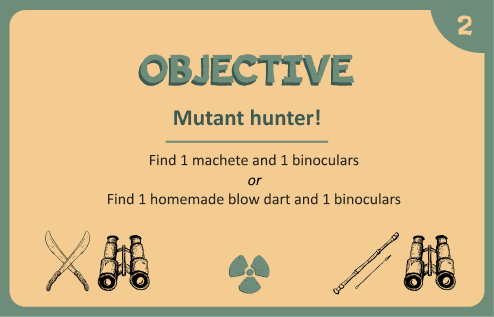
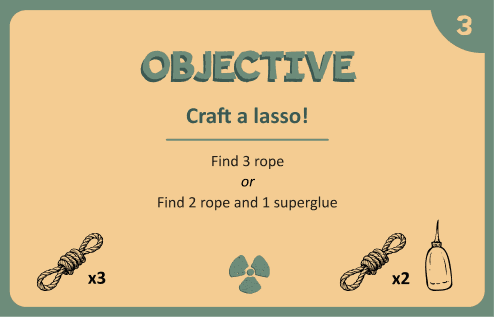
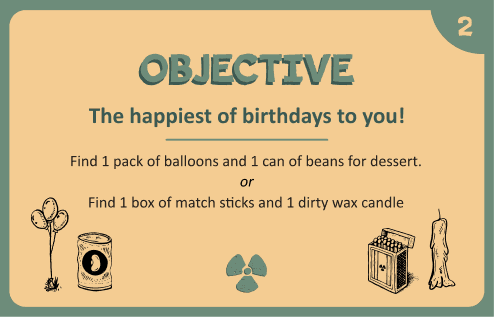
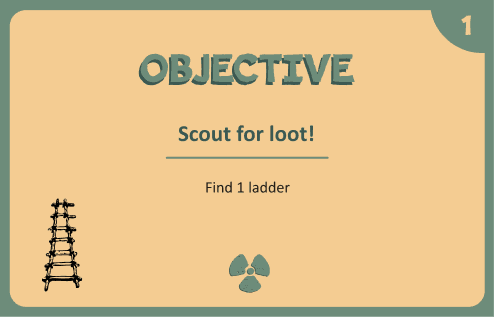
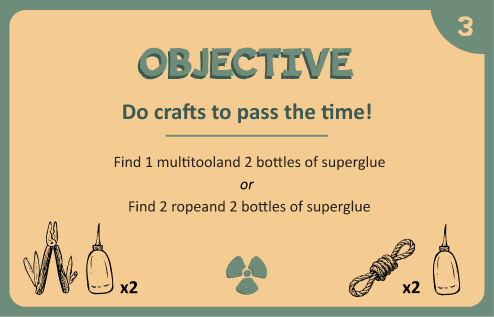
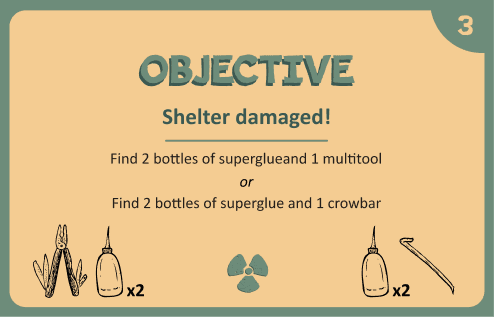
Objective cards indicate to the player what item cards they are trying to collect, all with a fun title and 1-2 options to add some variability.
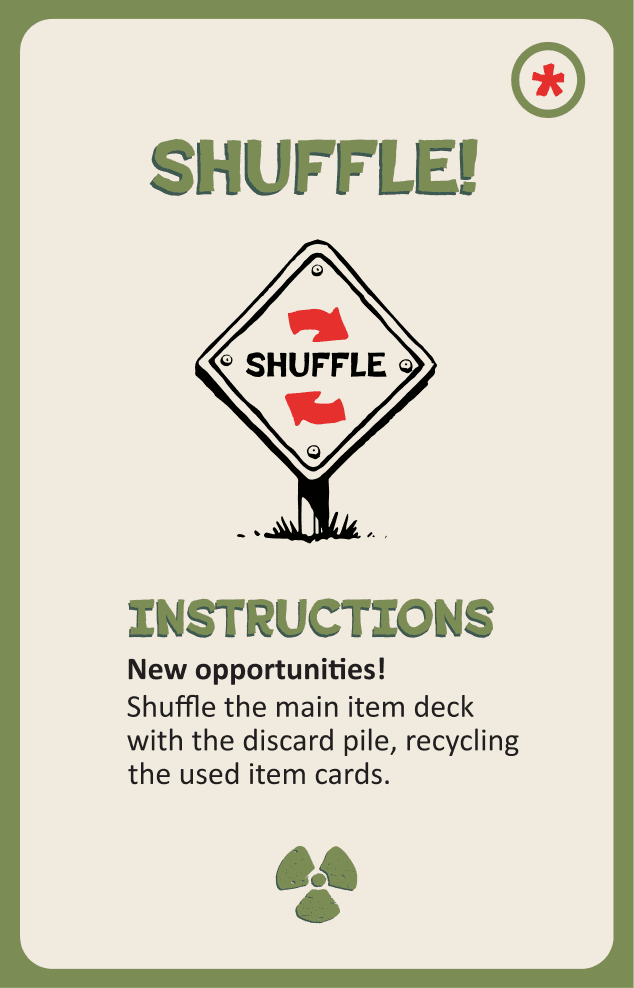
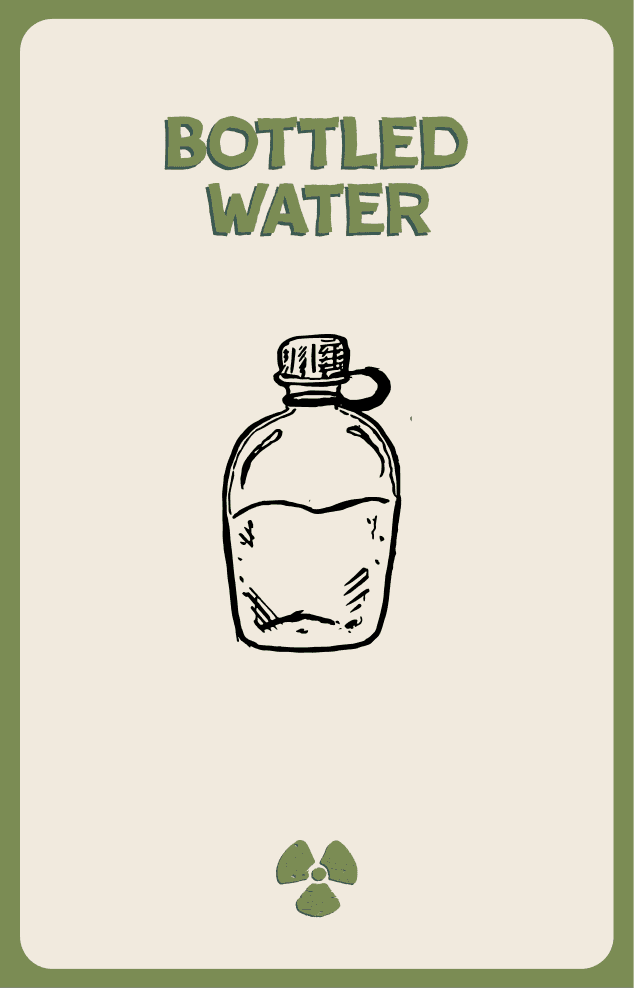
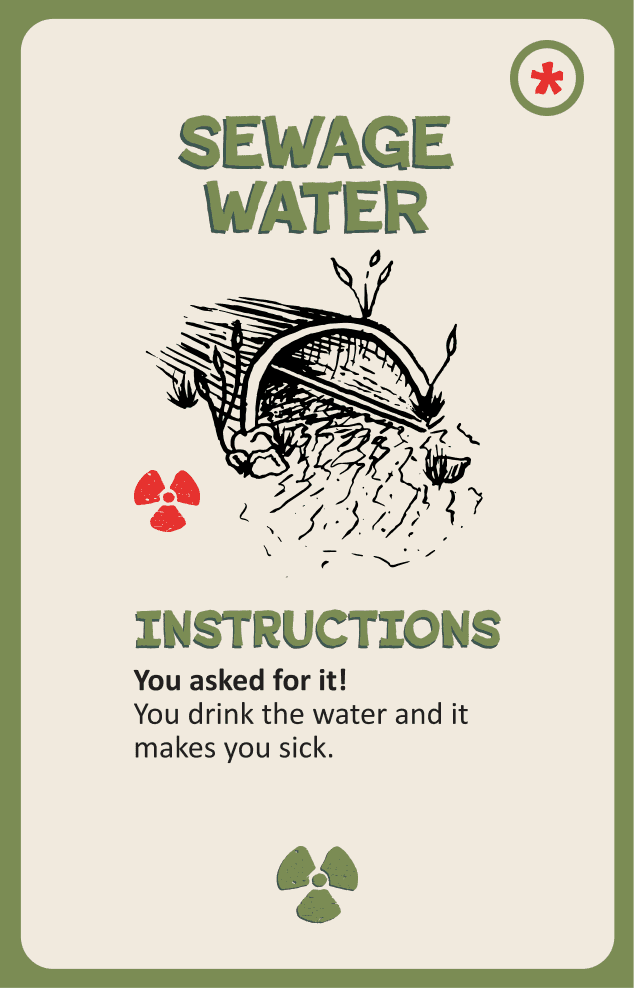
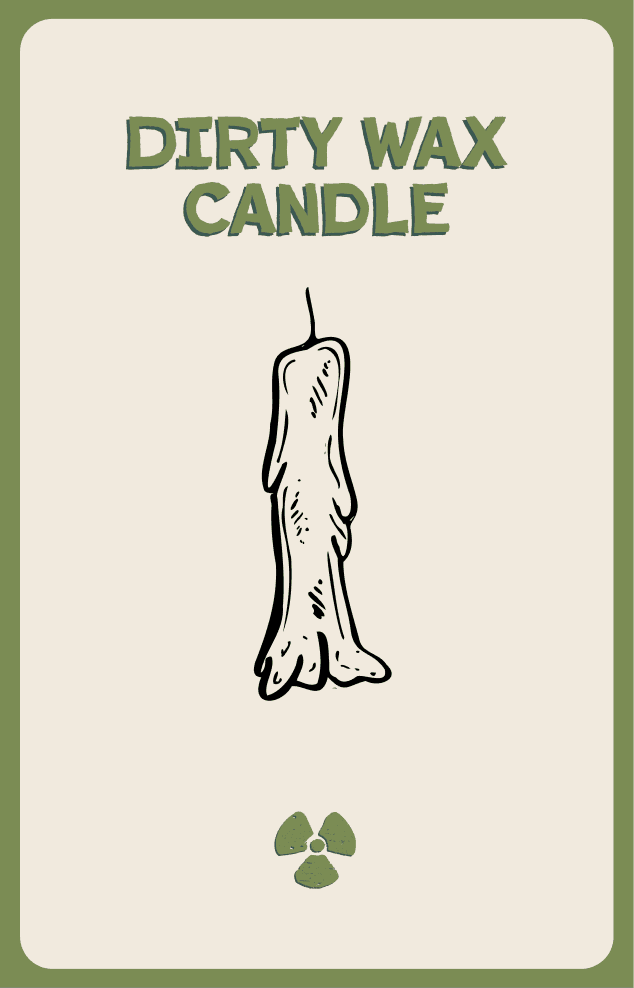
Item Cards

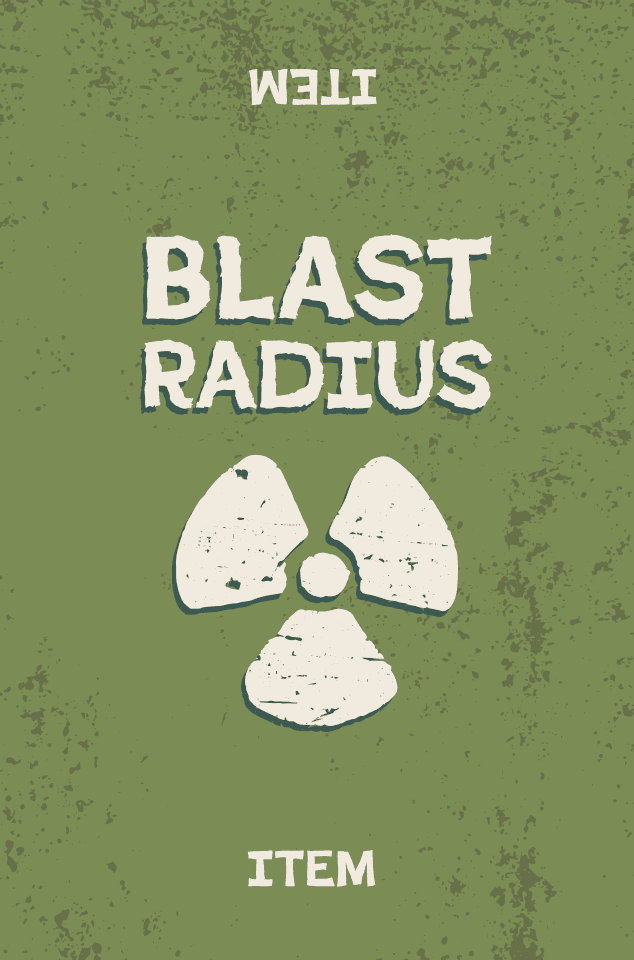
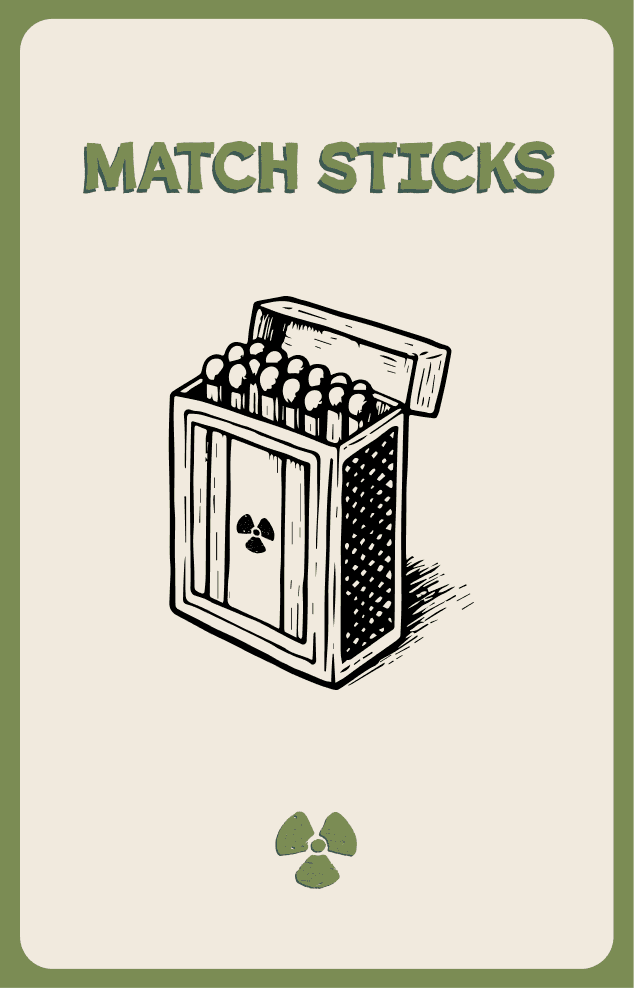
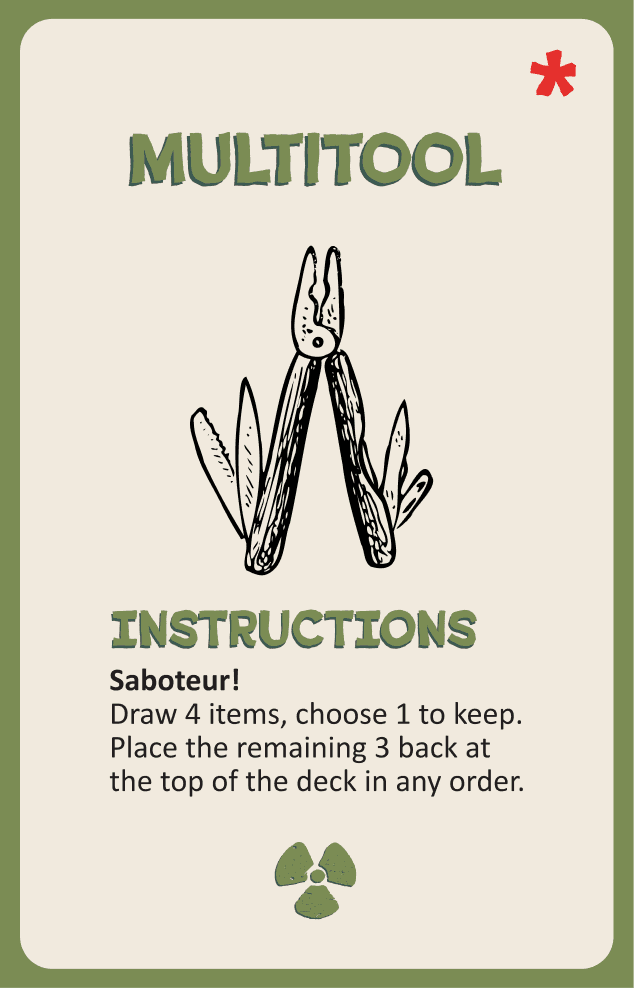
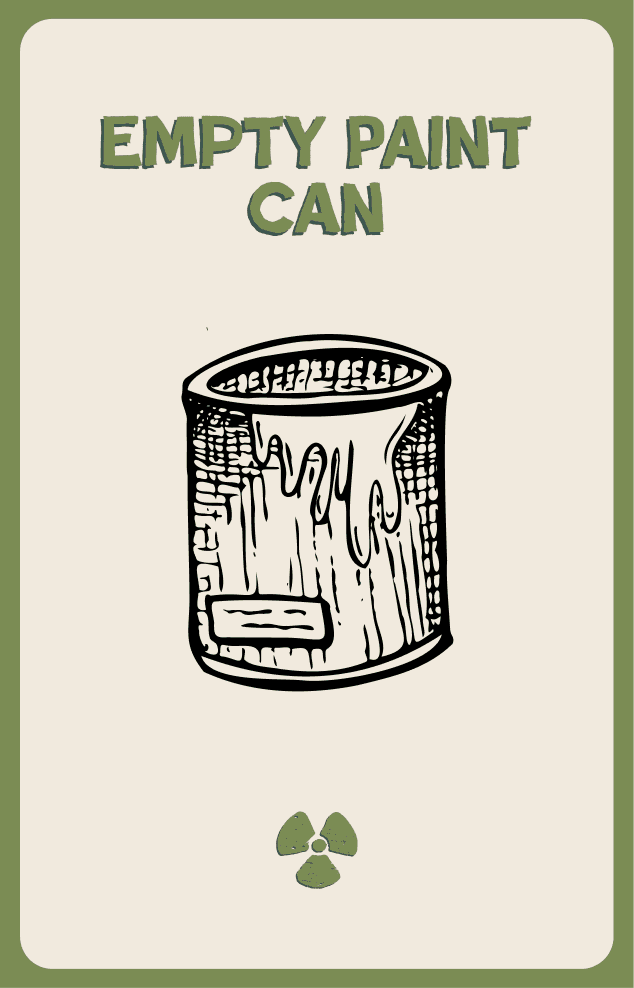
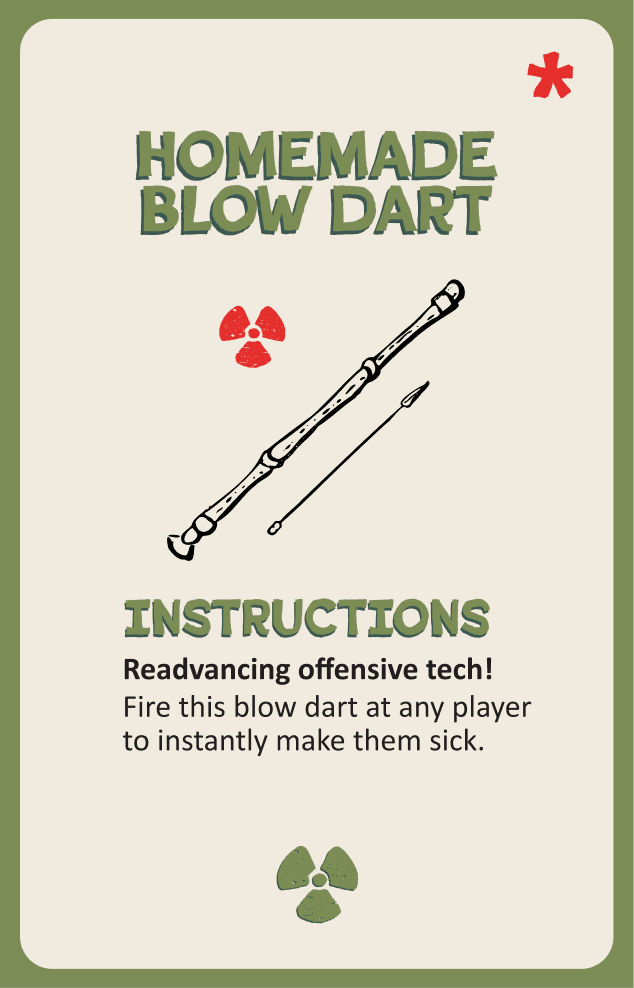
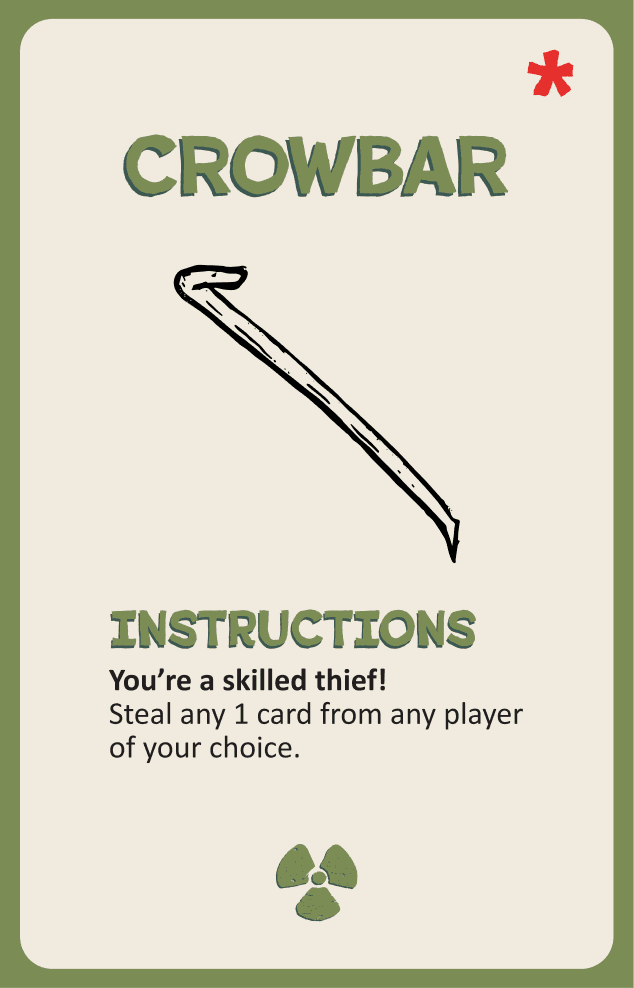
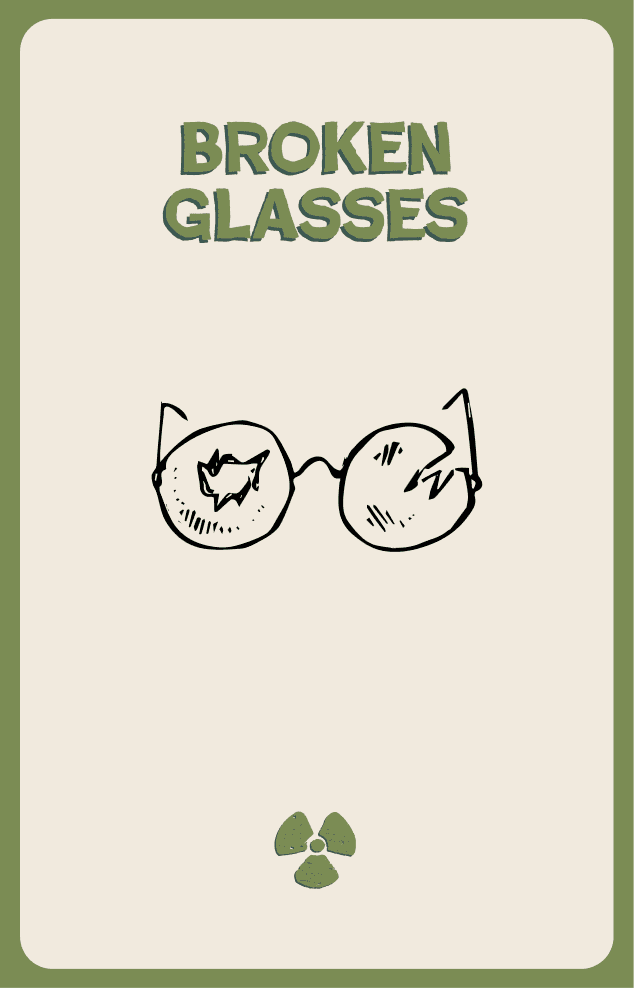
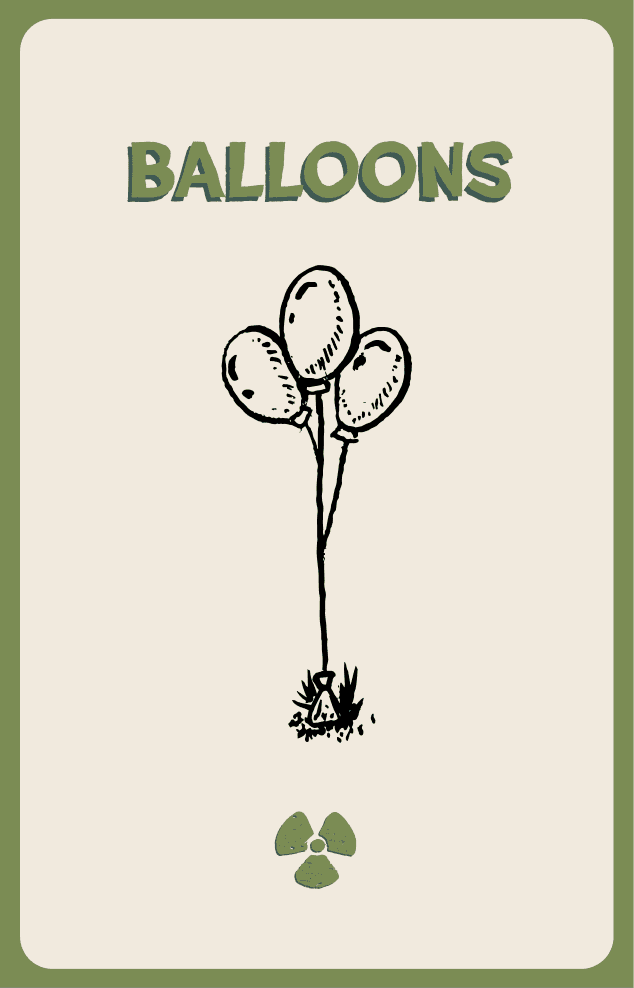
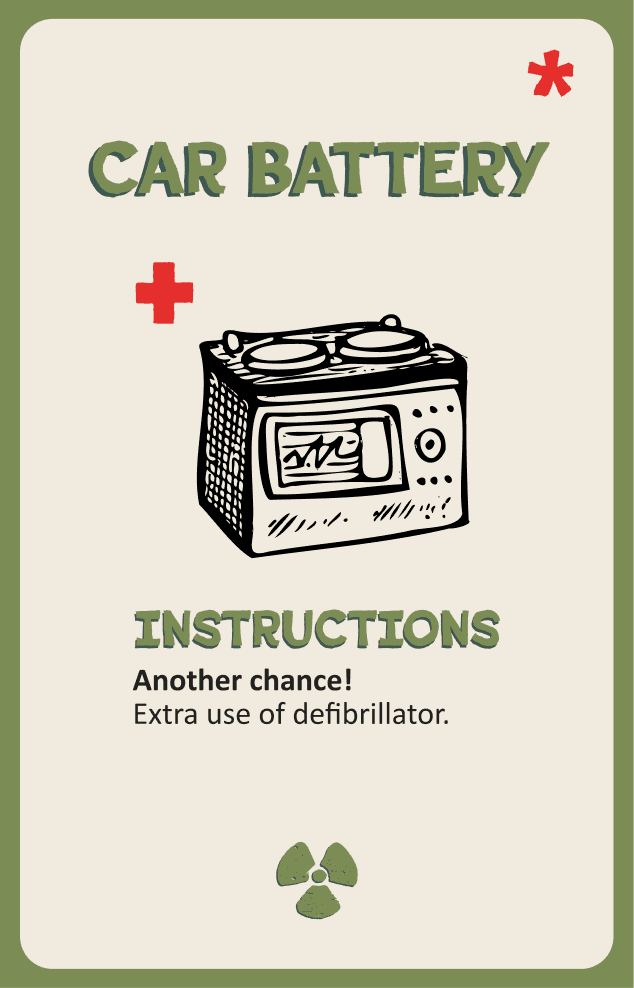
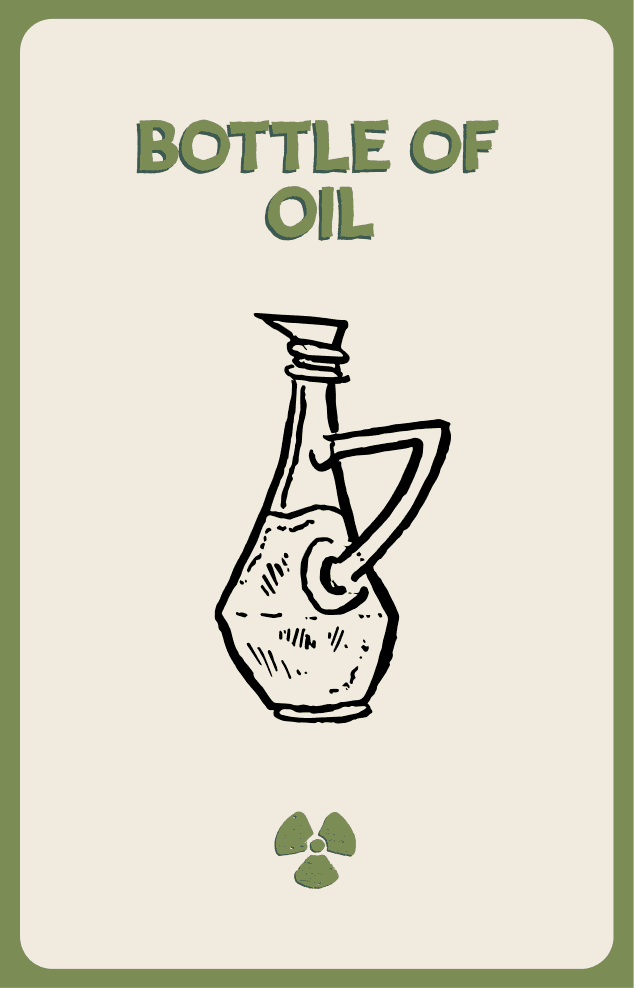
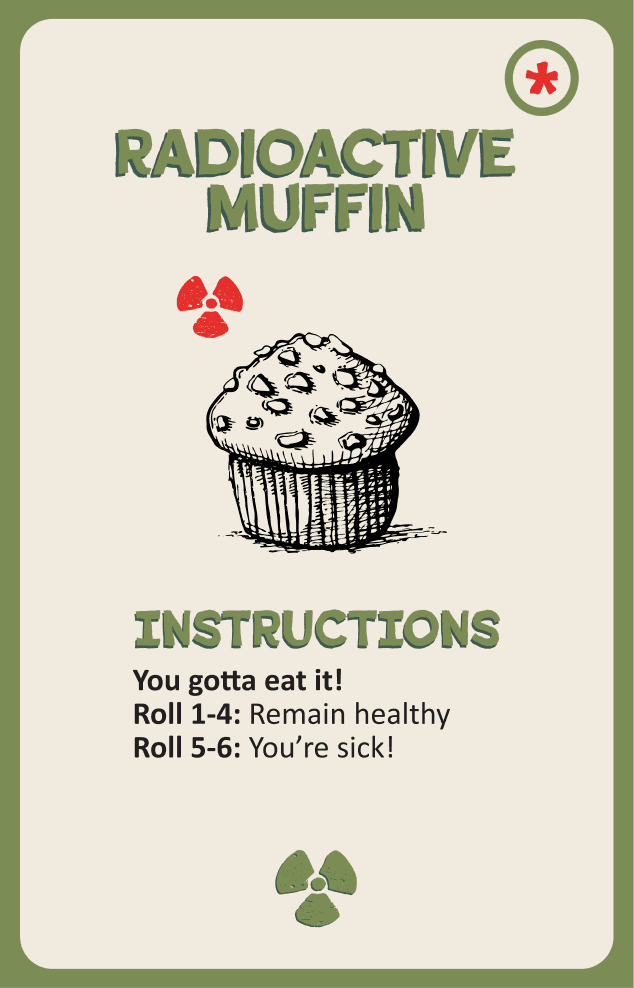
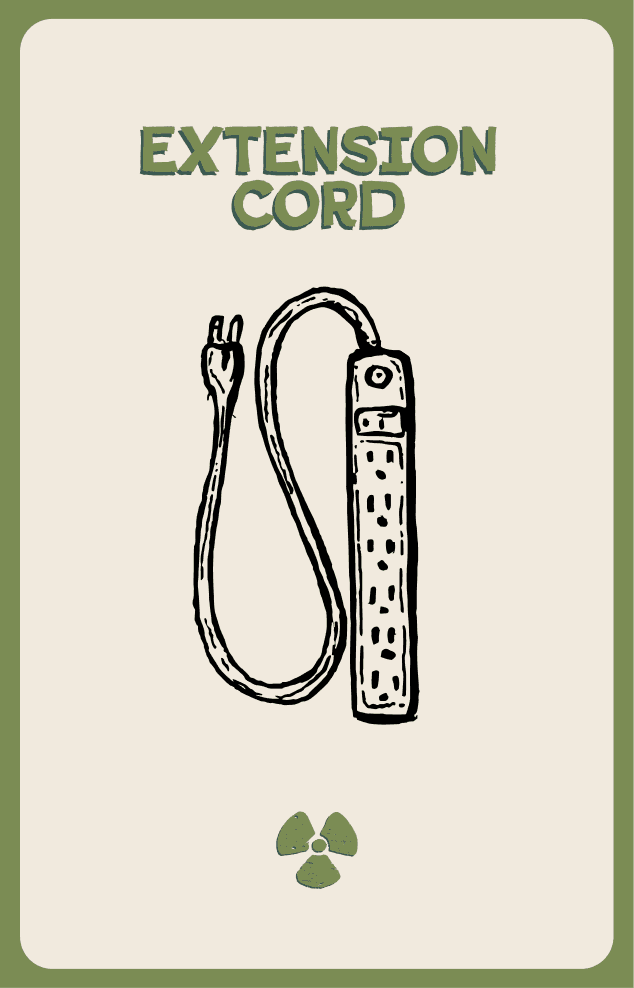
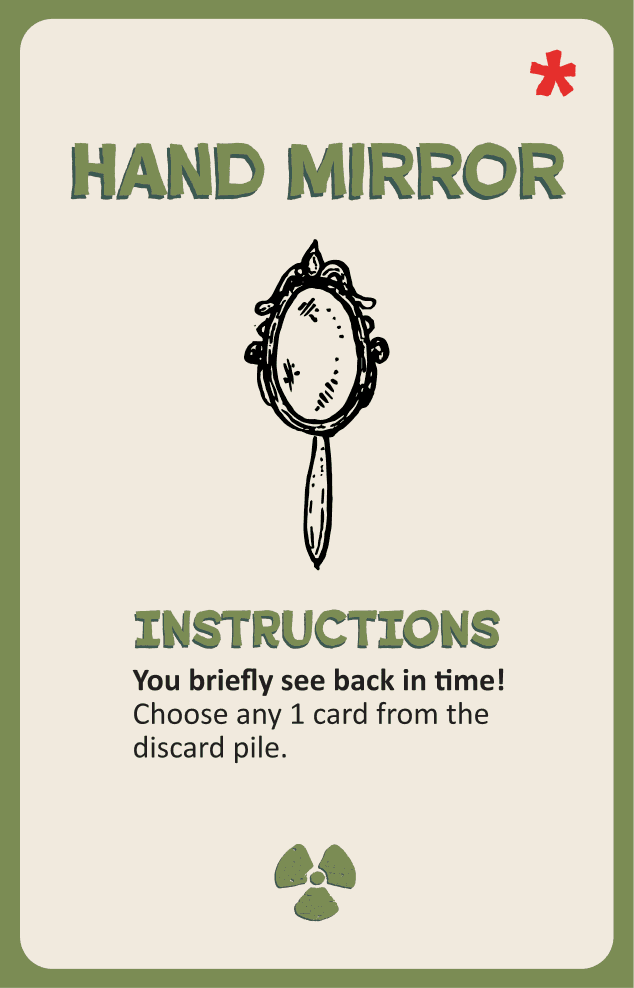
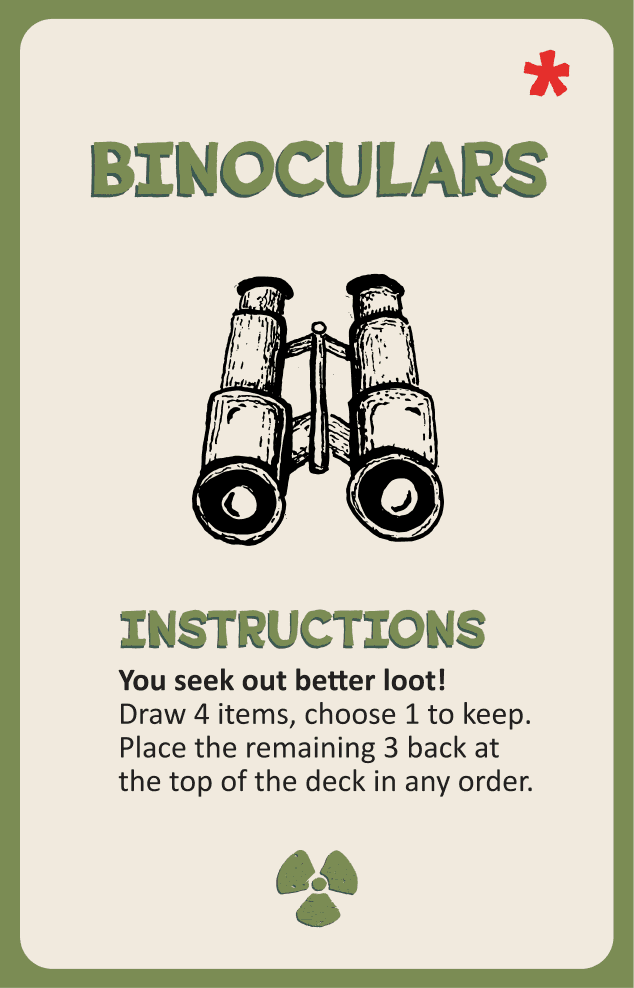
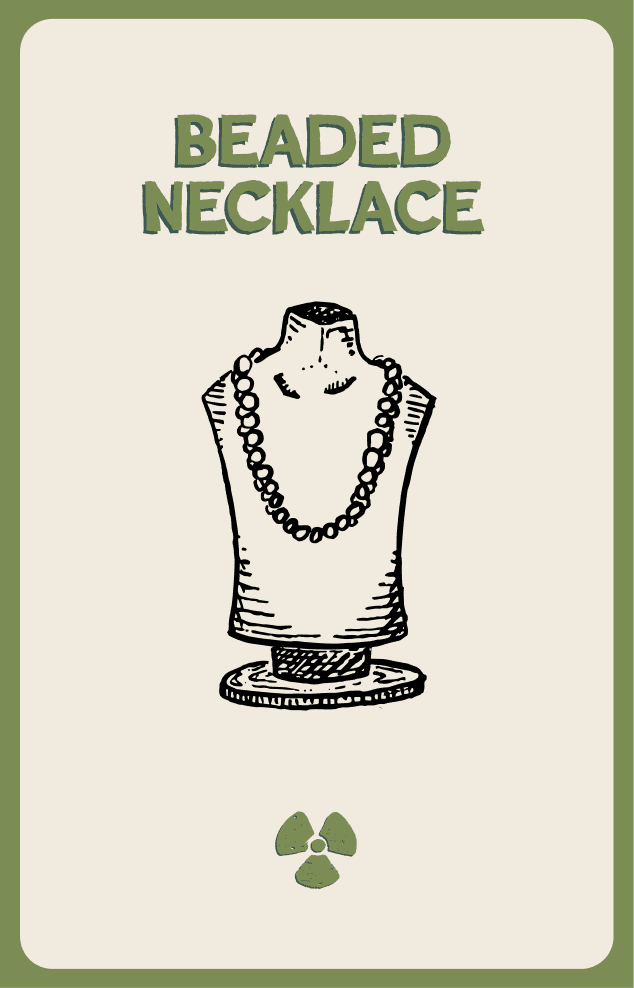
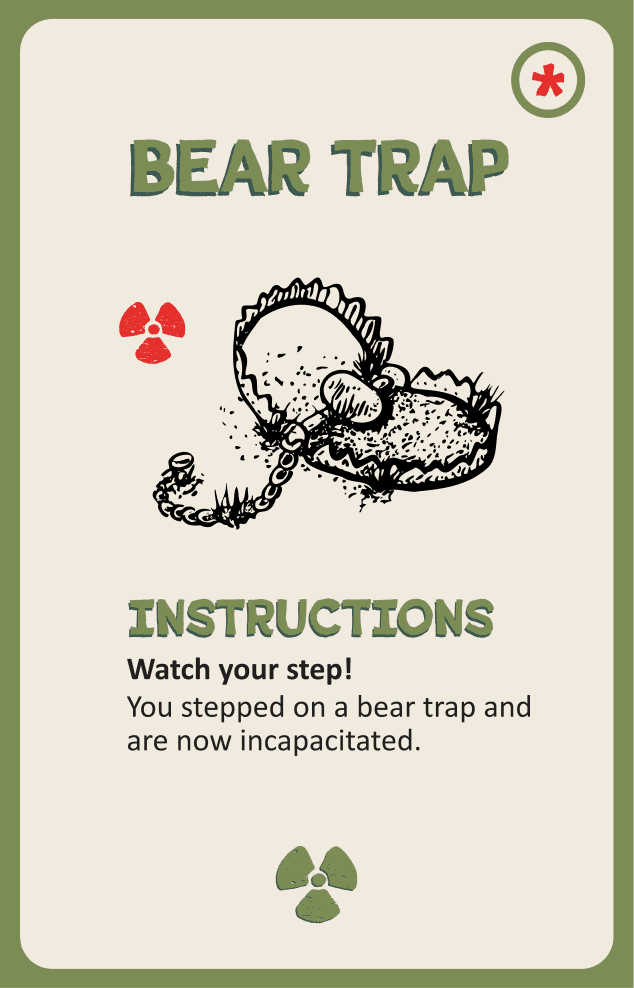
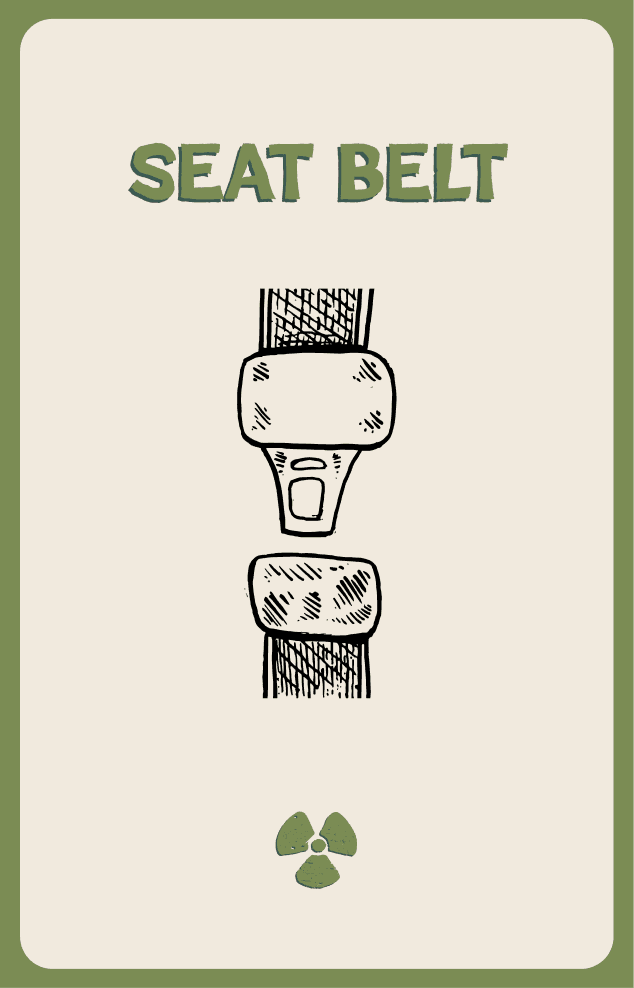
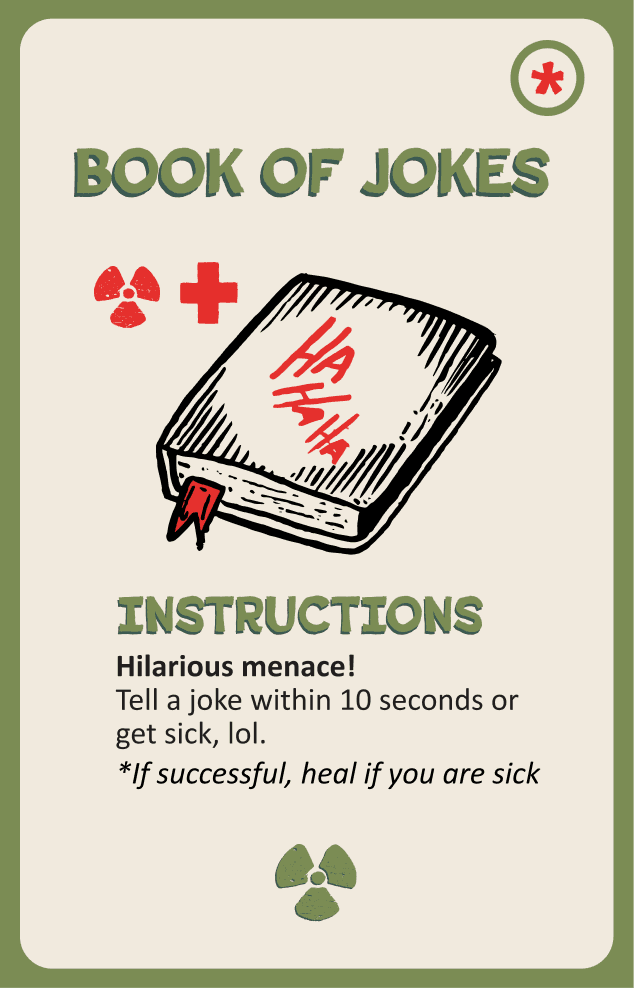
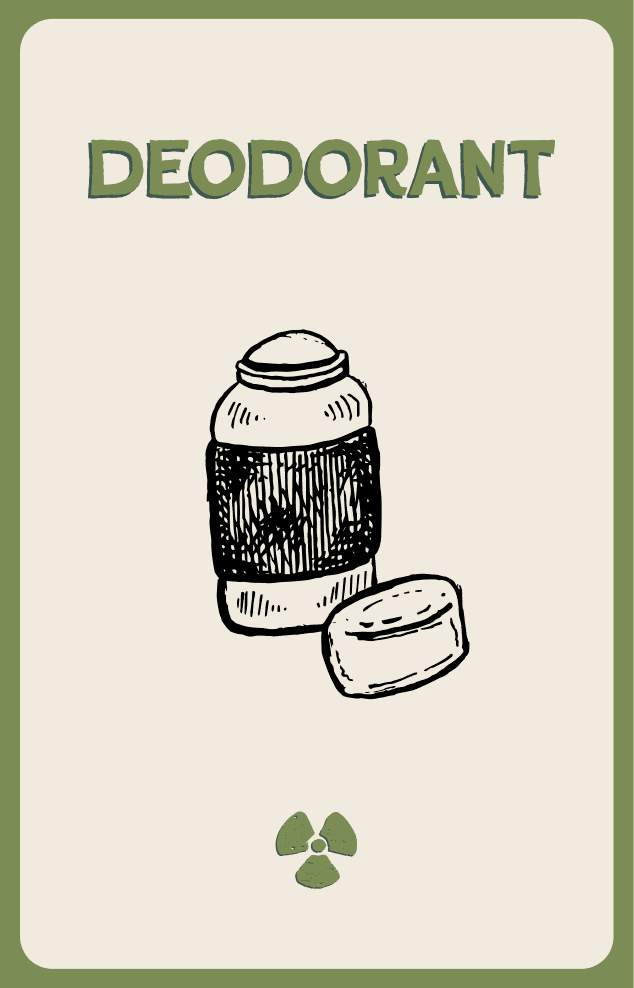
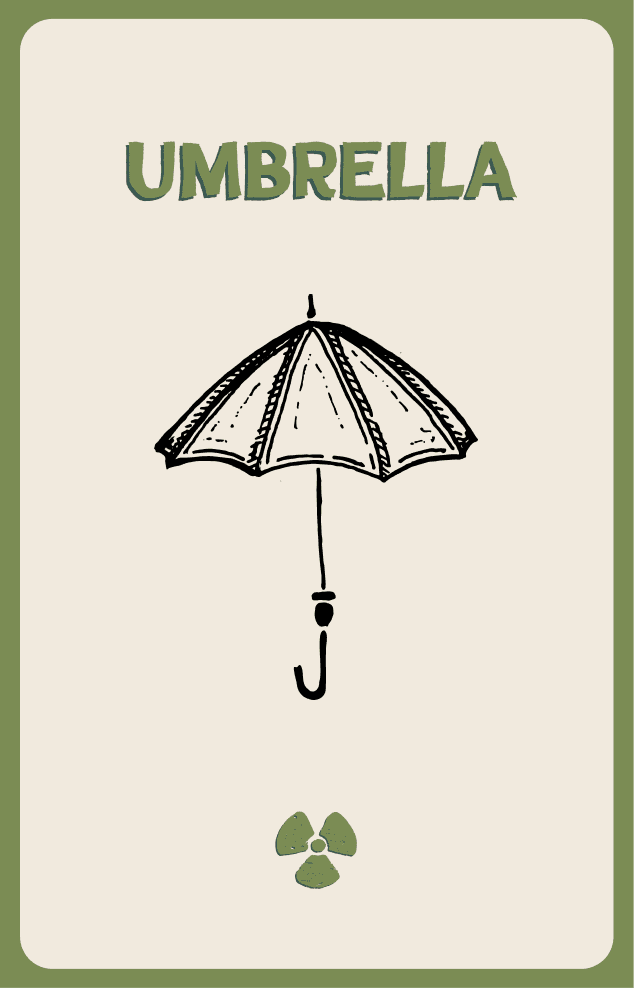
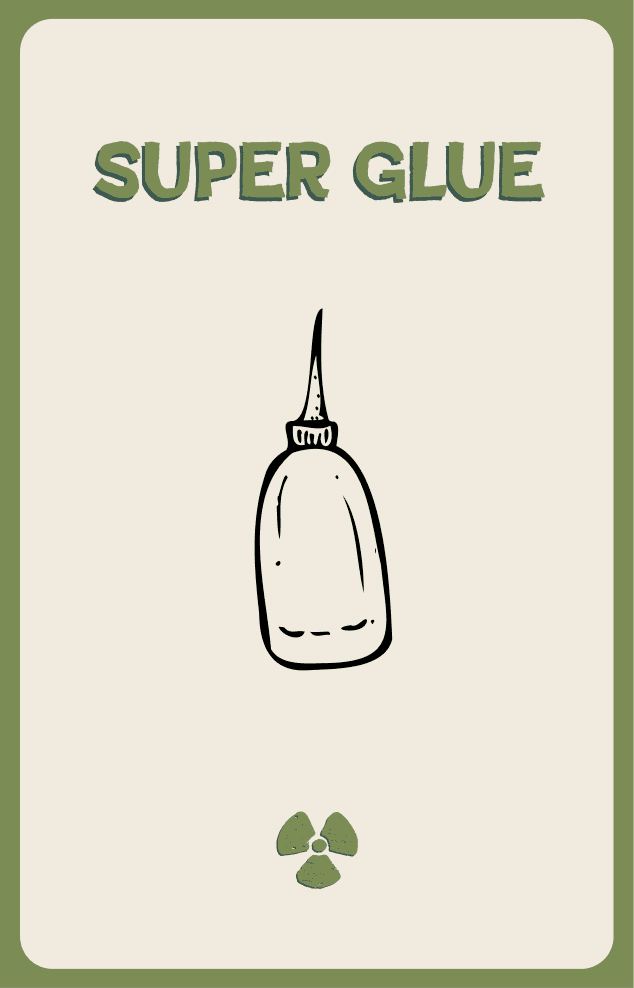
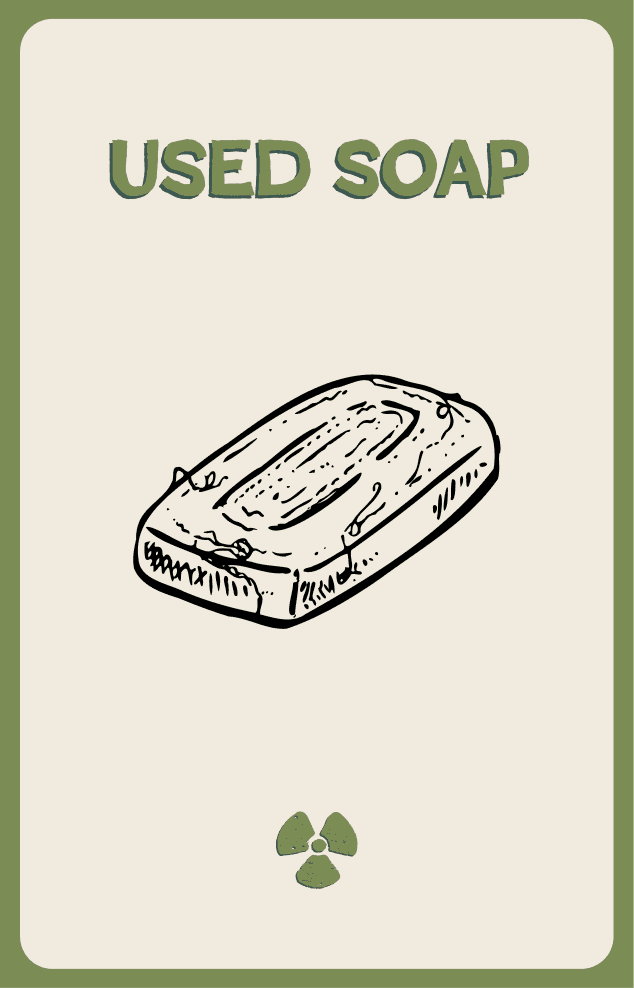
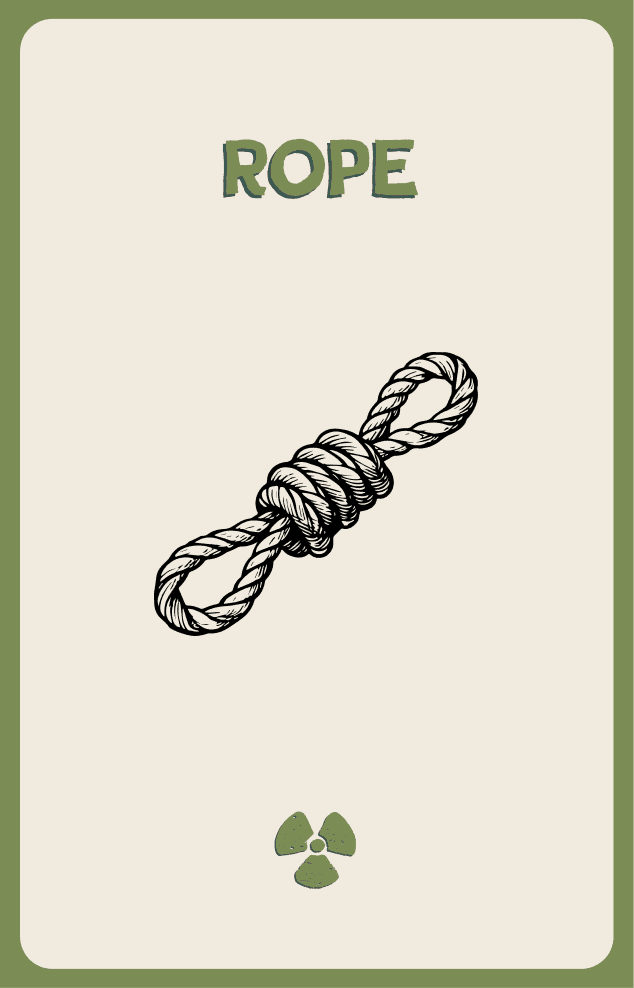
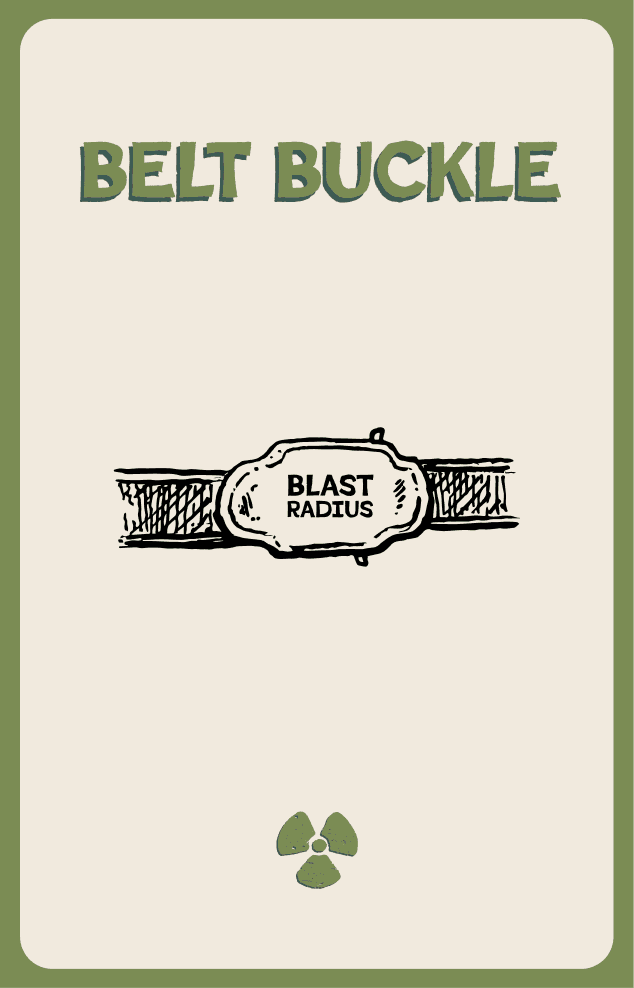
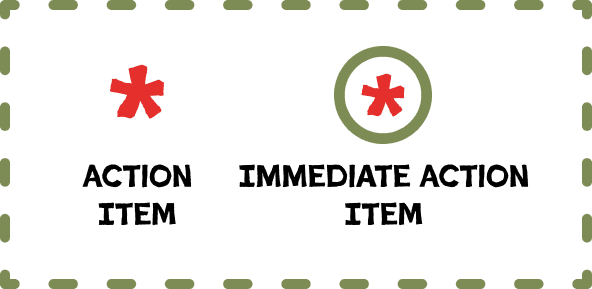
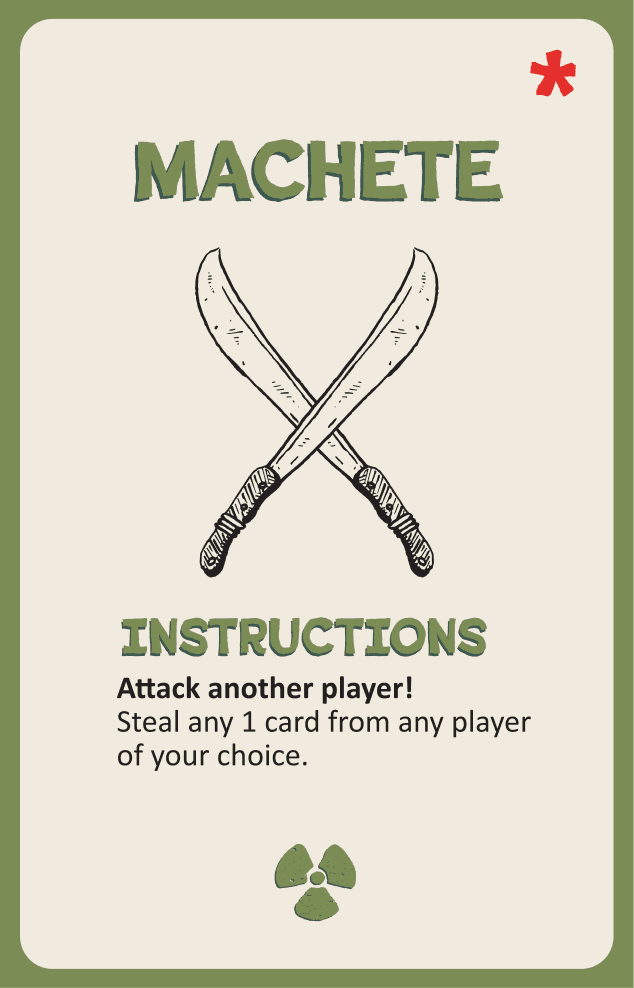
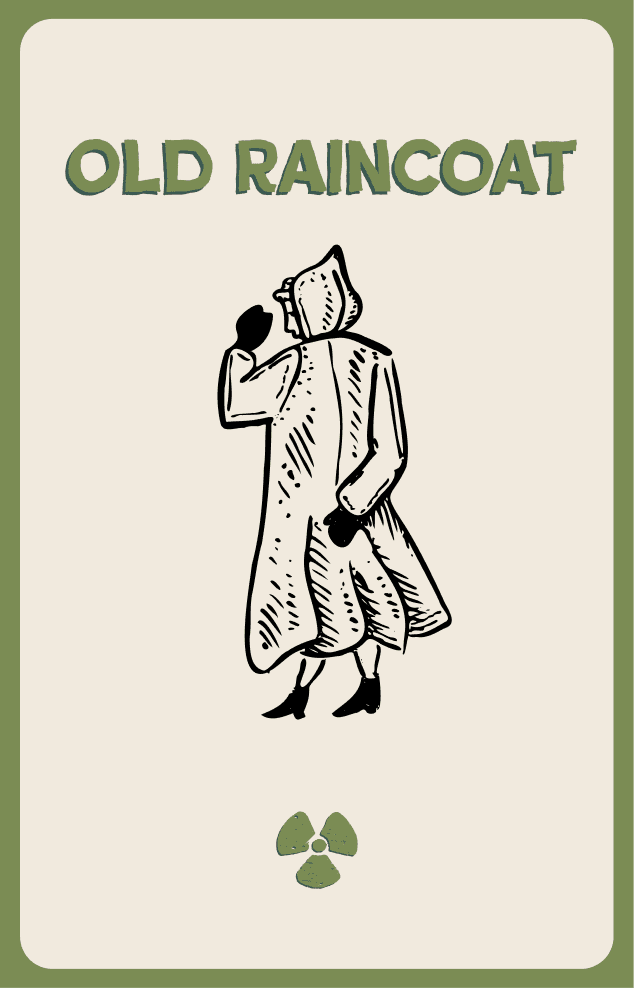
Item cards are the primary cards in the deck. They function primarily to satisfy objectives, but also to introduce player-to-player conflict. Players can attack each other, heal themselves or others, or choose to complete their objective on their turn
You've reached the end!

Thank you for reading!

Contact me

lukeconte2@gmail.com

Copyright Notice

All content on the Site, including text, graphics, logos, images, and software, is the property of Luke Conte and is protected by intellectual property laws. You may not use, reproduce, or distribute any content from the Site without my express written permission.